
Table of Contents
- Understanding Foot Care Skills Workshops for Canadian Nurses
- Professional Considerations in Foot Care Skills Education
- Core Skill Areas Commonly Addressed
- Addressing Common Misconceptions
- A Nursing Education Perspective
- Integrating Workshop Learning Into Practice
- Key Takeaways
- Closing Statement
- FAQs
Foot Care Skills Workshops for Canadian Nurses
Foot Care Skills Workshops for Canadian Nurses provide structured continuing education opportunities for licensed nurses who wish to strengthen their clinical foot care knowledge within a regulated Canadian healthcare context. These workshops focus on skill development, clinical reasoning, and professional judgment rather than authorising independent practice. Education supports competence; the scope of practice remains defined by provincial regulators, employer policy, and individual competence.
Understanding Foot Care Skills Workshops for Canadian Nurses
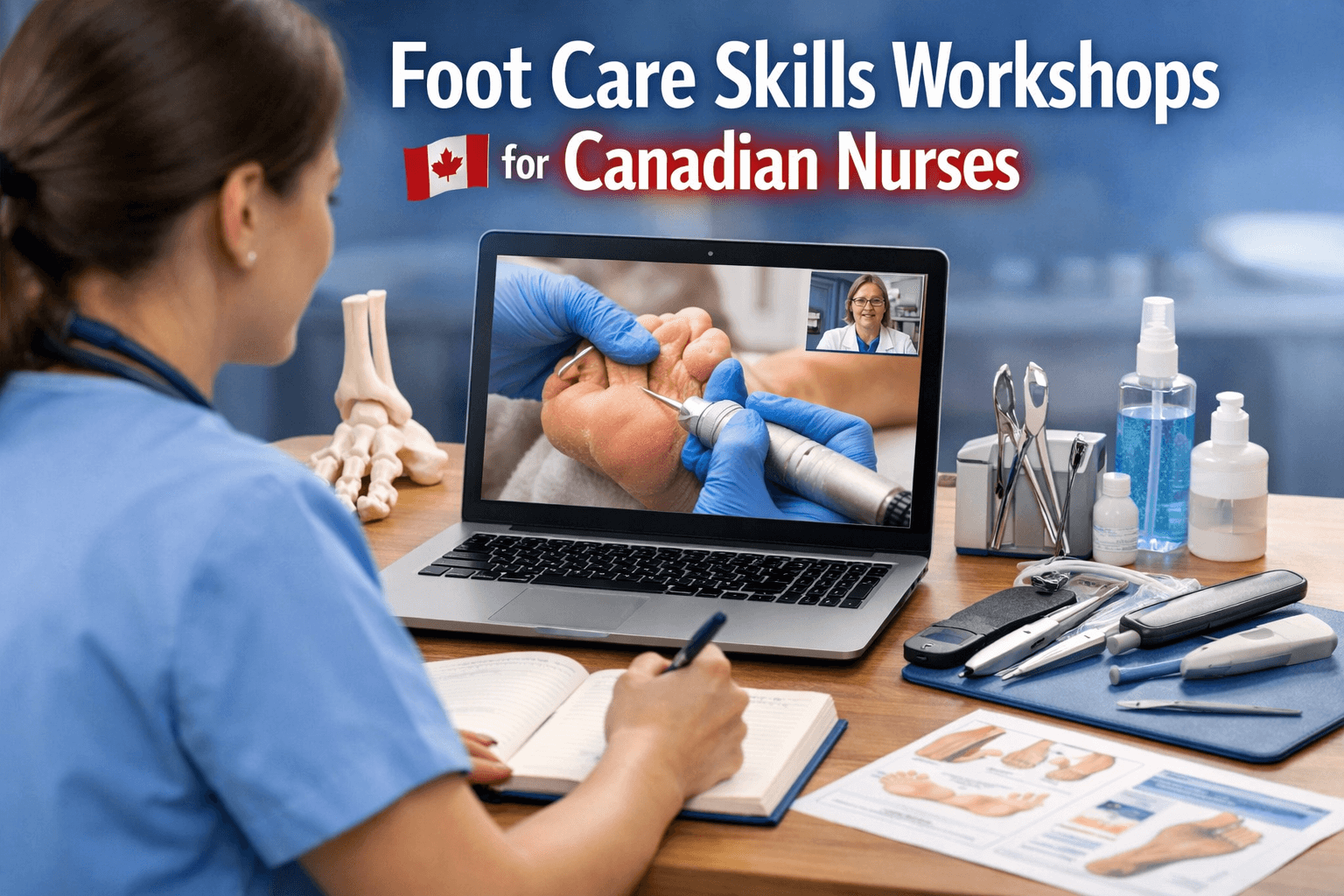
Foot Care Skills Workshops for Canadian Nurses are educational programs designed to support nurses in developing specific, task-focused competencies commonly used in professional foot care. These workshops are typically delivered online and emphasize evidence-informed techniques, safety principles, and ethical nursing care.
Foot care nursing education does not grant expanded scope or independent authority. Instead, it supports nurses in meeting continuing competence expectations set by Canadian nursing regulators.
Common focus areas in foot care skills workshops
Callus and corn reduction principles
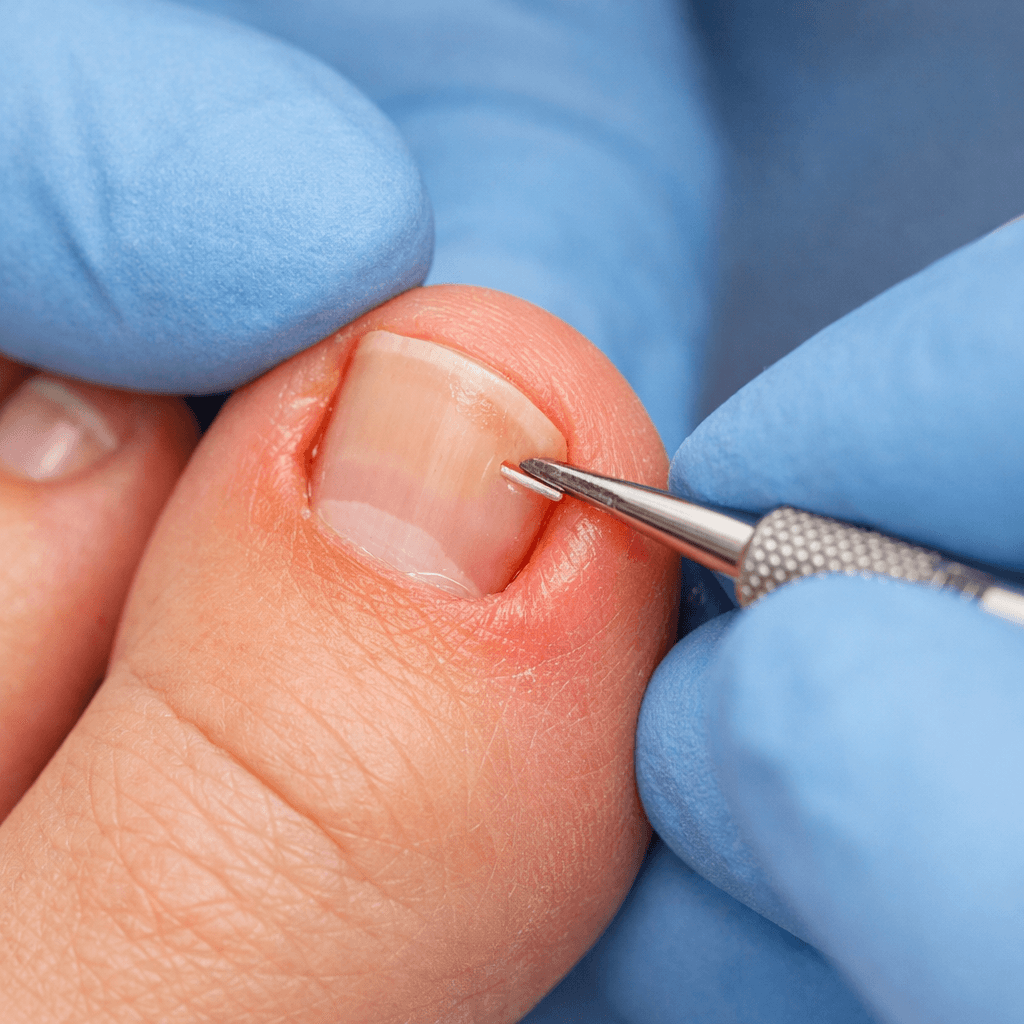
Ingrown toenail care techniques
Fungal nail management concepts
Instrument selection and safe handling
Offloading and pressure redistribution strategies
Infection prevention and reprocessing awareness
These topics align with educational resources commonly explored through the AFCN Learning Institute education hub and related clinical skills education.
Professional Considerations in Foot Care Skills Education
Scope of practice and employer expectations
Foot Care Skills Workshops for Canadian Nurses must be understood within the context of provincial nursing regulation. The scope of practice varies across Canada and is influenced by:
Provincial or territorial nursing college standards
Employer policies and medical directives
Practice setting and patient population
Individual competence and ongoing education
Completion of a workshop results in a certificate of completion, not certification or authorisation to practise. Nurses remain accountable for practising within their legislated scope and organisational policies.
Safety and ethical responsibility
Ethical foot care education prioritises patient safety, infection prevention, and risk awareness. Workshops typically emphasise:
Proper assessment before intervention
Recognition of contraindications
Understanding when a referral is required
Safe use of sharps and mechanical tools
Documentation and informed consent principles
These foundations align with broader infection prevention and medical device reprocessing education relevant to foot care nursing.
Core Skill Areas Commonly Addressed
Callus and corn care education
Educational workshops often address conservative approaches to managing calluses and corns, including:
Skin assessment and pressure identification
Reduction techniques using appropriate tools
Risk considerations for high‑risk feet
Prevention strategies and patient education
Sharps education, when included, focuses on theory, safety, and controlled technique rather than promoting procedural independence.
Ingrown nail care concepts
Ingrown toenail education generally covers:
Causes and contributing factors
Conservative management options
Nail edge care techniques
When escalation or referral is indicated
Education supports informed clinical decision-making and reinforces professional boundaries.
Fungal nail management education
Workshops addressing fungal nail care focus on:
Differentiating fungal changes from other nail conditions
Mechanical reduction principles
Infection control considerations
Patient education and expectations
Diagnosis and prescribing decisions remain outside the scope of educational workshops.
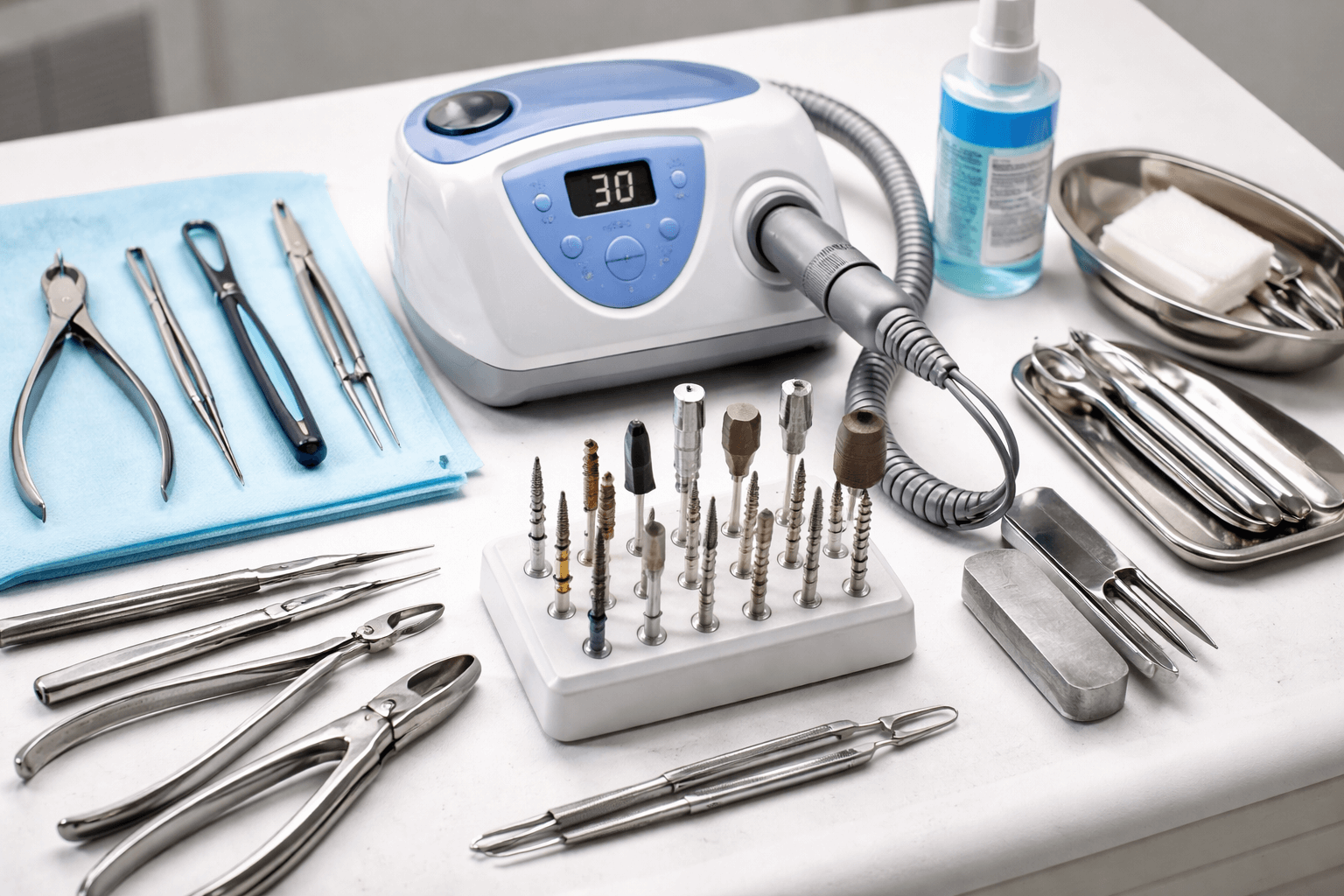
Instruments, tools, and podiatry drills
Foot Care Skills Workshops for Canadian Nurses often include detailed discussion on instruments and tools, such as:
Manual foot care instruments
Rotary tools and podiatry drills
Selection criteria based on practice setting
Maintenance, cleaning, and reprocessing standards
This knowledge complements broader clinical tools education for nurses providing foot care services.
Offloading and silicone orthosis concepts
Some workshops introduce principles of pressure redistribution, including:
Indications for offloading devices
Custom silicone orthosis concepts
Risk assessment and follow‑up considerations
These educational topics support collaborative care planning and appropriate referral decisions.
Addressing Common Misconceptions
A frequent misconception is that completing Foot Care Skills Workshops for Canadian Nurses allows nurses to independently expand their scope of practice. Education alone does not change scope. Authority to perform specific activities depends on regulation, employer policy, and competence assessment.
Another misconception is that online education is insufficient for skill development. High‑quality nursing education combines theory, demonstration, reflection, and ongoing practice evaluation. Online learning supports knowledge acquisition but must be integrated responsibly into clinical practice.
A Nursing Education Perspective
From an educational standpoint, Foot Care Skills Workshops for Canadian Nurses are most effective when approached as part of a broader professional development plan. Nurses benefit from:
Reflecting on their current role and practice setting
Reviewing provincial scope of practice resources
Engaging in continuing competence activities
Seeking mentorship or supervision where required
Educational programs offered through AFCN Learning Institute emphasise ethical practice, regulatory awareness, and realistic application of skills within Canadian healthcare environments. Related learning pathways may include scope of practice education and returning‑to‑practice professional development resources.
Integrating Workshop Learning Into Practice
After completing Foot Care Skills Workshops for Canadian Nurses, thoughtful integration into practice is essential. Continuing education should be followed by deliberate reflection and evaluation. Nurses may consider documenting learning outcomes within their professional development portfolio and identifying how new knowledge aligns with their current role.
Practical integration may include:
Reviewing employer policies related to foot care services
Confirming documentation standards for foot assessments and interventions
Ensuring appropriate infection prevention infrastructure is in place
Identifying referral pathways for complex or high-risk clients
Seeking peer discussion or mentorship when introducing new techniques
In community and private practice environments, additional considerations may include equipment maintenance protocols, consent processes, and quality assurance activities. In institutional settings, collaboration with interprofessional teams remains central to safe implementation.
It is also important to recognize that not all practice environments support the same level of foot care service delivery. For example, long-term care, community nursing, and independent nursing practice each operate within distinct policy frameworks. Education enhances readiness, but application must always be context-specific.
Risk awareness is another critical element of integration. Nurses providing foot care must be able to identify factors such as peripheral vascular disease, diabetes-related complications, neuropathy, anticoagulation therapy, or immunocompromise that may increase procedural risk. Workshops support foundational knowledge, but clinical judgment and appropriate referral remain central to safe care.
Clear communication with clients is equally important. This includes explaining the nature of the service, expected outcomes, limitations of conservative care, and situations that require medical evaluation. Documentation should accurately reflect assessment findings, interventions performed, client education provided, and follow-up recommendations.
Ongoing competence requires more than a single course. Canadian nursing regulators emphasize continuing competence programs that include self-assessment, goal setting, learning activities, and evaluation. Foot care education can form one component of this broader professional responsibility. Periodic review of current evidence, equipment standards, and infection prevention updates further supports safe practice.
By approaching Foot Care Skills Workshops for Canadian Nurses as part of a structured professional development plan, nurses reinforce safe practice, accountability, and patient-centred care while maintaining alignment with provincial regulatory expectations.
Key Takeaways
Foot Care Skills Workshops for Canadian Nurses support continuing competence, not expanded scope
Education results in a certificate of completion, not certification
The scope of practice varies by province, employer, and role
Ethical foot care education prioritises safety and referral awareness
Online learning must be integrated responsibly into practice
Closing Statement
Foot Care Skills Workshops for Canadian Nurses play an important role in supporting safe, informed, and ethical nursing practice. When undertaken with regulatory awareness and professional accountability, continuing education helps nurses maintain competence while respecting the boundaries of Canadian nursing practice.
https://www.afcnlearninginstitute.com/bundles/foot-care-skills-workshop-series
FAQs
What are Foot Care Skills Workshops for Canadian Nurses?
Foot Care Skills Workshops for Canadian Nurses are continuing education programs designed to support skill development, clinical reasoning, and safe practice within regulated Canadian nursing roles. They do not authorize independent practice or expand scope.
Do Foot Care Skills Workshops allow nurses to expand their scope of practice?
No. Education alone does not change scope of practice. Nursing scope is determined by provincial regulation, employer policy, and individual competence, not by course completion.
What credential do nurses receive after completing a foot care skills workshop?
Nurses receive a certificate of completion, which confirms participation in education but is not a certification or licence to practise independently.
Are online foot care workshops appropriate for Canadian nurses?
Yes, when used responsibly. Online education supports knowledge development and skill awareness but must be integrated into practice in accordance with provincial regulation, employer expectations, and professional accountability.