Table of Contents
- Foot Care Nurse Training in Cranbrook, BC and the East Kootenays
- Understanding Foot Care Nursing Education
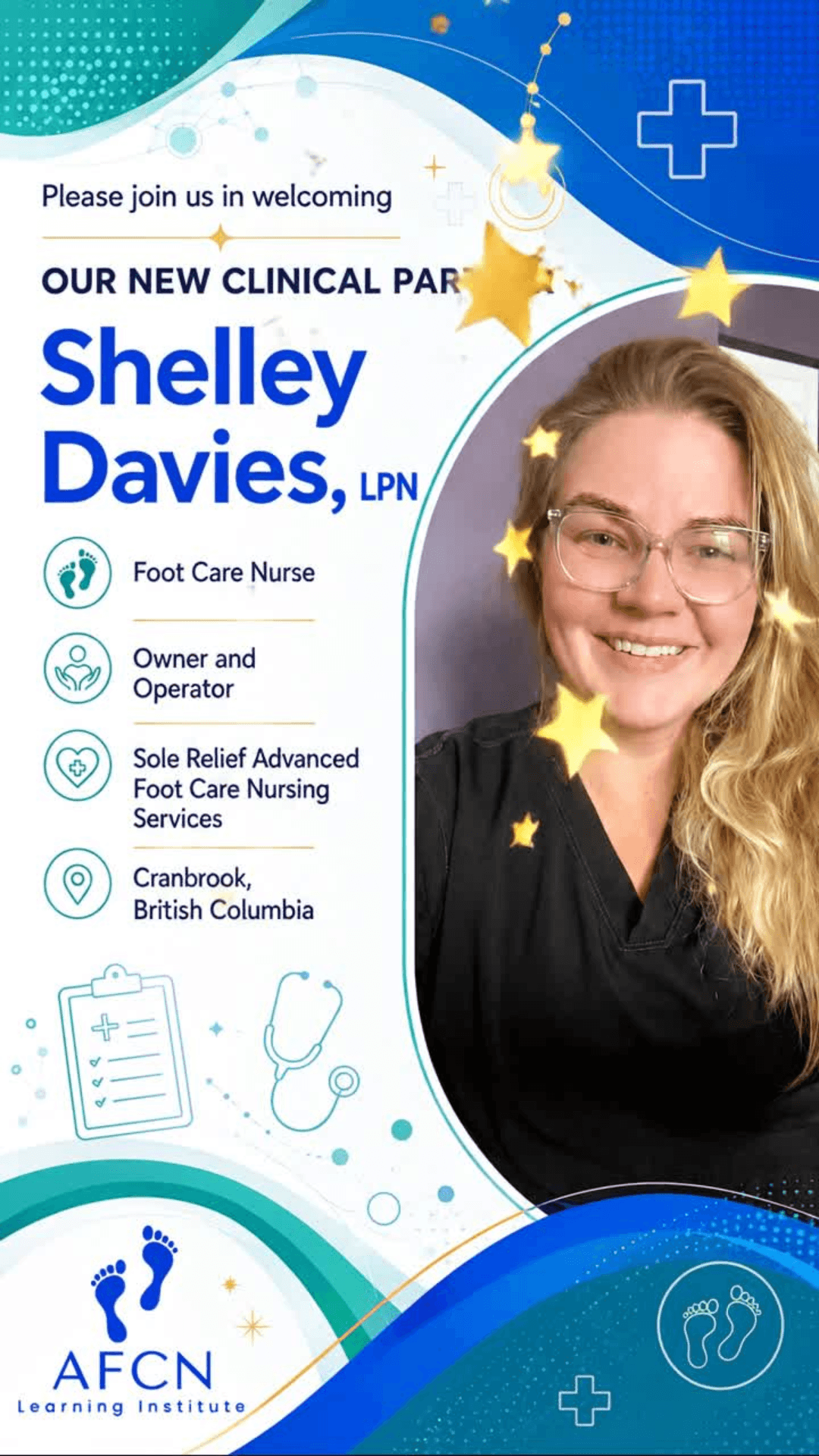
- Meet Shelley Davies, LPN
- Professional Considerations for Nurses
- What Nurses May Study
- Common Misconceptions About Foot Care Nursing
- Professional Nursing Education Insight
- Key Takeaways
- Continuing Your Nursing Education in Cranbrook
- FAQs
Foot Care Nurse Training in Cranbrook, BC
For licensed nurses exploring Foot Care Nurse Training in Cranbrook, BC, the East Kootenays provide a distinctive setting for developing focused nursing foot care knowledge and clinical skills. AFCN Learning Institute works with Shelley Davies, LPN, Owner/Operator of Sole Relief Advanced Foot Care Nursing Services in Cranbrook, to provide supervised clinical learning in the region.
Shelley's nursing background spans home health and wound care, acute care, long-term care, public health, palliative care, and foot care nursing. Her practice also provides learners with exposure to a team-based model serving clients across different care environments.
Foot care nursing education supports professional development, but education does not independently authorize a nurse to perform specific procedures. Scope of practice varies by province, nursing designation, employer, practice setting, and individual competence.
Foot Care Nurse Training in Cranbrook, BC and the East Kootenays
The East Kootenays cover a substantial geographic area in southeastern British Columbia. Communities served by Sole Relief include Cranbrook, Kimberley, Fernie, Invermere, Sparwood, Elkford, Creston, and surrounding communities.
For nurses considering community-based foot care, this geography provides useful educational context. Clients may receive nursing services in an office, community environment, or long-term care setting, and each environment can introduce different considerations involving assessment, communication, infection prevention, documentation, mobility, and continuity of care.
Through Foot Care Nurse Training in Cranbrook, BC, learners can connect theoretical education with supervised clinical experiences in an established regional nursing foot care practice.
Nurses can review AFCN's Cranbrook foot care nurse training information for additional information about the clinical learning location.
Understanding Foot Care Nursing Education
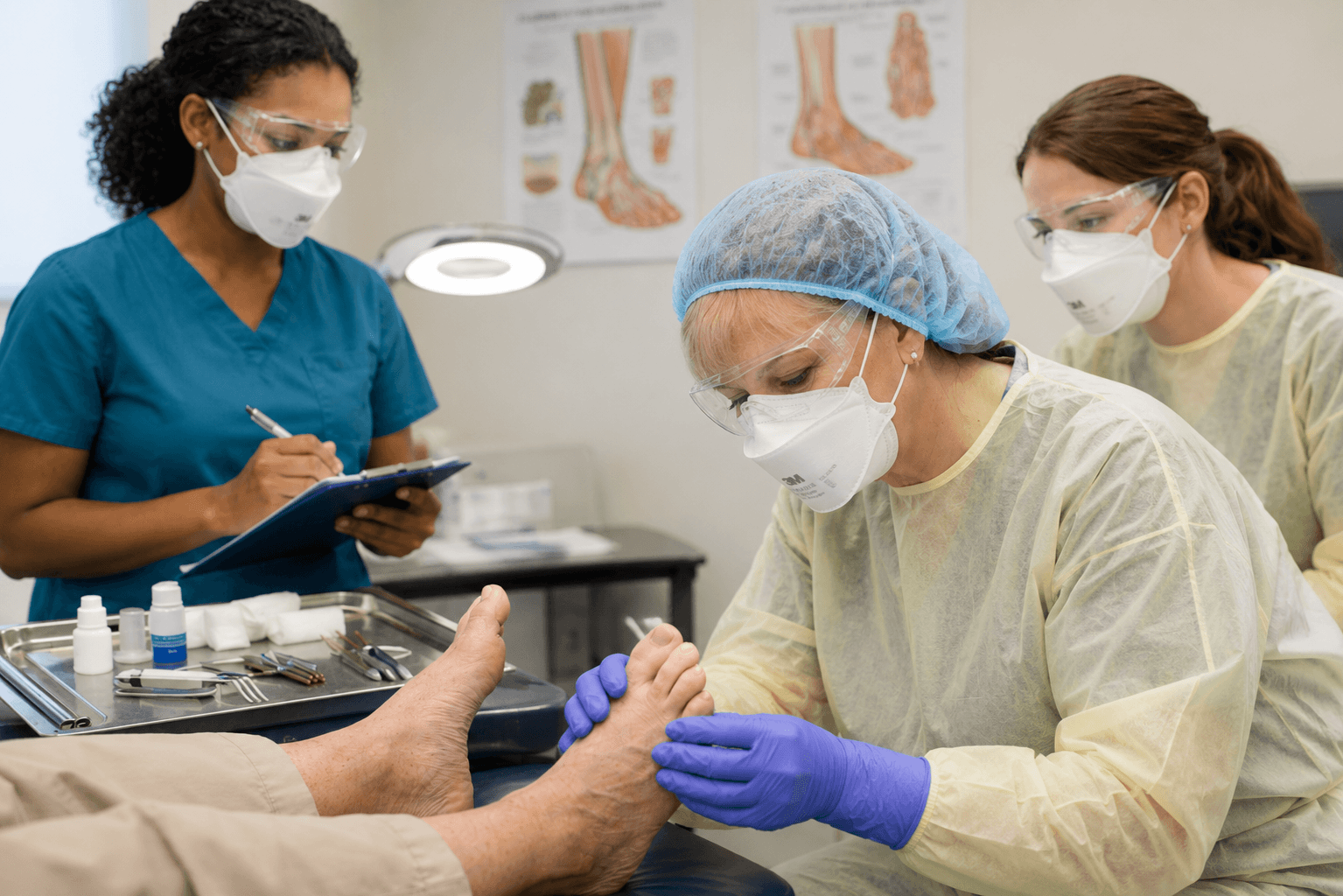
Foot care nursing education develops knowledge related to nursing assessment, conservative foot and nail care, infection prevention and control, documentation, client education, clinical decision-making, and recognition of findings that may require referral.
It is important to distinguish education from authorization to practise. Completing a course or receiving a certificate of completion does not independently expand a nurse's legal scope.
Nurses remain accountable for understanding applicable British Columbia regulatory expectations, organizational or employer policies, their individual competence, and any limitations relevant to their practice.
The AFCN Learning Institute education hub provides further information about nursing foot care education in Canada.
Meet Shelley Davies, LPN
Shelley Davies has been a Licensed Practical Nurse since 2017. Before moving into foot care nursing in 2021, her nursing experience included five different practice areas: home health and wound care, acute care, long-term care, public health, and palliative care.
This varied background is relevant to nursing foot care because clients may have different levels of health, mobility, independence, and clinical complexity.
A nurse assessing a client's feet should consider the whole person rather than focusing exclusively on nails or skin. Health history, circulation, sensation, mobility, chronic conditions, medications, ability to complete self-care, and other clinical observations may influence nursing decisions.
Within Foot Care Nurse Training in Cranbrook, BC, Shelley's broad nursing experience provides learners with an opportunity to consider foot care through this wider nursing assessment perspective.
Learning Within a Team-Based Practice
Shelley is the Owner/Operator of Sole Relief Advanced Foot Care Nursing Services in Cranbrook. According to the supplied program information, Sole Relief provides foot care across office, community, and long-term care environments and operates with multiple nurses under Shelley's clinical leadership.
This team structure can provide useful educational insight into consistency, communication, documentation, clinical standards, and professional accountability when nursing care is provided by more than one practitioner.
It is also important to separate clinical education from business outcomes. Exposure to an established practice model can help nurses understand professional workflows, but education cannot guarantee employment, income, client volume, or business success.
More information about Shelley and the placement is available through AFCN's Cranbrook clinical education page.
Professional Considerations for Nurses
Foot Care Nurse Training in Cranbrook, BC should be approached within the professional and regulatory responsibilities that apply to nursing practice.
Scope of Practice
Licensed nurses must practise within the scope applicable to their designation and jurisdiction. Scope can also be influenced by employer policies, practice setting, individual competence, and the specific activity being performed.
Education can contribute to competence development, but education itself does not grant authorization to practise. Nurses should review relevant regulatory and organizational requirements before incorporating newly learned skills into their professional practice.
Safety and Infection Prevention
Infection prevention and control are central considerations in nursing foot care. Professional practice may involve hand hygiene, appropriate personal protective equipment, environmental cleaning, instrument management, and medical device reprocessing requirements.
Nurses must also recognize when assessment findings are outside their competence or require consultation or referral to another qualified healthcare professional.
Ethics and Accountability
Foot care remains nursing care regardless of whether it occurs in a clinic, community environment, or long-term care setting.
Consent, privacy, documentation, professional boundaries, client dignity, evidence-informed decision-making, and accountability continue to apply.
These principles form an important part of Foot Care Nurse Training in Cranbrook, BC because technical skills should always be understood within the nurse's broader professional responsibilities.
What Nurses May Study
The AFCN educational program combines online theory with in-person clinical learning. Areas of study identified in the supplied course information include:
- Foot anatomy, physiology, and pathology
- Nail care concepts and techniques
- Callus and corn management
- Diabetes-related foot assessment
- Vascular and neurological screening
- Infection prevention and control
- Documentation and scope-of-practice considerations
- Clinical workflow and professional practice concepts
Theory provides a foundation for understanding foot care concepts, while supervised clinical education helps learners connect knowledge with clinical observations and appropriate nursing decision-making.
Nurses can review the Advanced Foot Care Nurse Course curriculum for additional program information.
Common Misconceptions About Foot Care Nursing
One misconception is that foot care nursing is primarily cosmetic. Nursing foot care is health-focused and assessment-based. It requires consideration of infection prevention, mobility, chronic health conditions, skin and nail integrity, client education, safety, and appropriate referral.
Another misconception is that previous nursing experience automatically establishes competence in foot care. Nursing experience provides an important professional foundation, but focused education and supervised learning help nurses develop knowledge relevant to this area of practice.
A third misconception is that completing Foot Care Nurse Training in Cranbrook, BC automatically expands a nurse's scope. It does not. Nurses remain responsible for determining whether activities are permitted within their scope and whether they possess the competence required to perform them safely.
Professional Nursing Education Insight
Learning in an operating nursing foot care environment can help nurses observe how theoretical principles relate to day-to-day professional practice.
The Sole Relief setting is particularly relevant because the supplied information describes care being provided across office, community, and long-term care environments. Learners can therefore consider how professional responsibilities remain consistent while clinical environments and client needs may differ.
Supervised education also creates opportunities to ask questions, receive feedback, refine clinical reasoning, and identify areas requiring further learning.
For nurses considering Foot Care Nurse Training in Cranbrook, BC, this process should be viewed as part of continuing professional development rather than a single endpoint.
Nurses can also explore AFCN's Canadian clinical educator network and foot care nursing education resources when considering their educational pathway.
Key Takeaways
- Foot care nursing combines focused clinical skills with nursing assessment, documentation, infection prevention, client education, and professional judgement.
- Shelley Davies brings experience from home health and wound care, acute care, long-term care, public health, palliative care, and foot care nursing.
- Sole Relief provides a team-based practice environment across office, community, and long-term care settings in the East Kootenays.
- Education supports knowledge and competence development but does not independently authorize nursing practice.
- Scope of practice varies by province, nursing designation, employer, practice environment, and individual competence.
- A certificate of completion documents completed education and should not be represented as independent authorization to practise.
Continuing Your Nursing Education in Cranbrook
Foot Care Nurse Training in Cranbrook, BC provides licensed nurses with an opportunity to develop focused knowledge while learning within an established East Kootenay nursing foot care environment.
Nurses considering this educational pathway should review the program alongside applicable provincial regulatory expectations, employer or organizational policies, and their own professional responsibilities.
AFCN Learning Institute provides education intended to support knowledge and clinical skill development within an ethical Canadian nursing context. Education should complement—not replace—the nurse's ongoing responsibility to practise safely, recognize professional limitations, seek appropriate consultation or referral, and maintain competence throughout practice.
FAQs
Who can take foot care nurse training in Cranbrook, BC?
The supplied program information identifies RNs, RPNs, and LPNs as the nursing audience. Nurses should confirm current admission requirements and remain responsible for practising within applicable provincial requirements, employer policies, and individual competence.
Do I need previous foot care nursing experience?
The supplied course information states that previous foot care experience is not required and that the program begins with foundational theory before progressing into clinical learning.
Where does clinical learning take place?
The Cranbrook clinical placement is associated with Shelley Davies and Sole Relief Advanced Foot Care Nursing Services. The supplied information describes Sole Relief as serving clients across office, community, and long-term care environments throughout the East Kootenays.
Does completing the course authorize a nurse to practise foot care independently?
No. Nursing education supports knowledge and skill development but does not independently provide practice authorization. Scope varies according to jurisdiction, nursing designation, employer or organizational requirements, practice setting, and individual competence.