
Table of Contents
- Introduction
- Defining Foot Care Nurse Core Competencies in Canada
- Clinical Knowledge and Assessment Skills
- Infection Prevention and Safety Practices
- Safe Clinical Technique and Instrument Handling
- Professional Judgment and Risk Recognition
- Documentation and Communication
- Professional Considerations in Canada
- Common Misconceptions
- Professional Nursing Education Insight
- Key Takeaways
- Ethical Closing Statement
- FAQs
Introduction
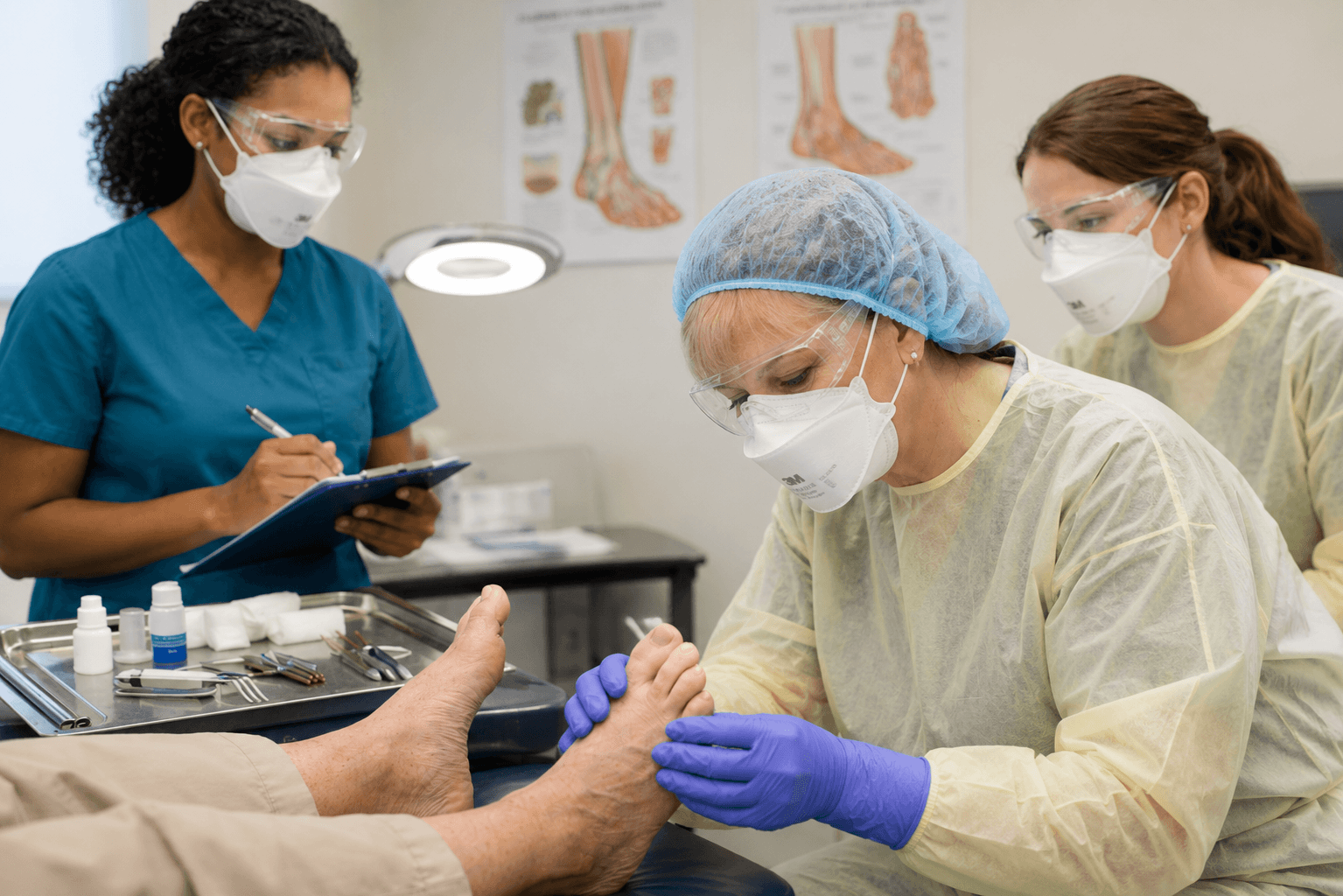
Foot care nursing is an area of clinical practice that requires focused knowledge, practical skill development, and strong professional judgment. Foot Care Nurse Core Competencies in Canada refer to the foundational abilities nurses develop to safely assess, manage, and support foot health within their professional scope of practice.
Licensed nurses across Canada—including RNs, RPNs, and LPNs—may encounter patients with complex foot health needs in community, long-term care, home care, and clinic settings. As with all nursing practice areas, competency development involves education, supervised learning, and adherence to professional standards.
It is important to recognize that Foot Care Nurse Core Competencies in Canada support safe nursing care, but education alone does not grant authorization to practise. Scope of practice requirements may vary by province, regulatory college, and employer policy.
Defining Foot Care Nurse Core Competencies in Canada
In professional nursing education, competencies describe the knowledge, skills, and judgment required to perform clinical tasks safely and ethically.
Within foot care nursing, Foot Care Nurse Core Competencies in Canada generally include several interrelated domains:
Clinical assessment
Infection prevention and control
Safe instrument use
Risk recognition
Documentation
Patient education
These competencies support consistent, evidence-informed care and help nurses maintain professional accountability.
For nurses exploring this practice area, educational resources such as the AFCN Learning Institute education hub provide foundational learning pathways and regulatory considerations.
Clinical Knowledge and Assessment Skills
One of the most important components of Foot Care Nurse Core Competencies in Canada is the ability to perform a structured and safe foot assessment.
Foot assessment includes observation, palpation, and clinical reasoning related to foot health risks.
Common assessment elements include:
Skin integrity
Nail condition and growth patterns
Circulatory indicators
Neurological indicators
Structural deformities
Risk indicators for ulceration
Nurses must also recognize when findings fall outside their competence or scope and require referral to another regulated healthcare professional.
Educational preparation may include foundational foot care nursing education that supports safe assessment and documentation practices.
Infection Prevention and Safety Practices
Another essential component of Foot Care Nurse Core Competencies in Canada is infection prevention and medical device safety.
Foot care procedures frequently involve reusable instruments. As a result, nurses must understand:
Cleaning and disinfection processes
Sterilization principles
Device handling and storage
Prevention of cross-contamination
In Canada, infection prevention practices must align with local policies, public health guidance, and regulatory expectations.
Many nurses pursue continuing education in infection prevention and medical device reprocessing to strengthen their competency in this area.
Safe Clinical Technique and Instrument Handling
Providing foot care safely requires appropriate technique and professional judgment. Practical skills may include nail care, skin care support, and management of basic foot hygiene needs within nursing scope.
The technical aspects of Foot Care Nurse Core Competencies in Canada may include:
Safe positioning of the client
Appropriate instrument handling
Skin protection techniques
Recognition of contraindications
Maintaining ergonomic safety for the nurse
Clinical skill development typically occurs through structured education and supervised practice environments.
Nurses often supplement learning with clinical skills and tools education that focuses on safe device use and procedural awareness.
Professional Judgment and Risk Recognition
Competent foot care nursing requires strong clinical reasoning.
A key element of Foot Care Nurse Core Competencies in Canada is the ability to identify conditions that require caution, modification of care, or referral.
Examples of higher-risk situations may include:
Diabetes-related complications
Circulatory impairment
Signs of infection
Structural abnormalities
Delayed wound healing
In these cases, nurses must rely on professional judgment and follow employer protocols and regulatory guidance.
Education related to scope of practice in nursing care can support nurses in understanding professional boundaries and referral responsibilities.
Documentation and Communication
Accurate documentation supports continuity of care and professional accountability.
Within Foot Care Nurse Core Competencies in Canada, documentation may include:
| Documentation Element | Example |
|---|---|
| Assessment findings | Skin condition, nail changes |
| Risk factors | Circulation concerns |
| Care provided | Nail trimming, hygiene support |
| Patient response | Comfort level or concerns |
| Follow-up plan | Monitoring or referral |
Clear documentation also supports communication with interdisciplinary care teams.
Nurses returning to clinical practice may benefit from professional development and returning-to-practice resources that reinforce documentation standards.
Professional Considerations in Canada
When developing Foot Care Nurse Core Competencies in Canada, nurses must consider regulatory expectations.
Key considerations include:
Scope of practice varies by province and regulatory college
Employer policies may define permitted procedures
Additional education may be required before performing certain skills
Education programs provide certificates of completion, not practice authorization
Nurses remain responsible for ensuring that any care they provide aligns with their professional scope, competence, and employer policies.
Common Misconceptions
Some misunderstandings exist regarding foot care nursing education.
A frequent misconception is that completing a course automatically authorizes a nurse to perform all foot care procedures independently.
In reality, Foot Care Nurse Core Competencies in Canada are developed through a combination of education, experience, and regulatory awareness.
Another misconception is that foot care nursing only involves nail trimming. In practice, the role involves assessment, risk recognition, infection prevention, documentation, and patient education.
Understanding these broader competencies helps support safe nursing care.
Professional Nursing Education Insight
Continuing education plays an important role in maintaining Foot Care Nurse Core Competencies in Canada.
Structured learning programs can support nurses in developing:
Evidence-informed assessment skills
Infection prevention knowledge
Safe clinical technique
Professional documentation habits
Education also allows nurses to review regulatory expectations and evolving best practices related to foot health care.
Organizations such as AFCN Learning Institute provide educational resources designed for licensed nurses seeking to strengthen their understanding of foot care practice.
Key Takeaways
Foot Care Nurse Core Competencies in Canada include clinical assessment, safety practices, and professional judgment.
Competency development requires education, supervised learning, and adherence to regulatory guidance.
Infection prevention and safe instrument handling are essential components of practice.
Documentation and interdisciplinary communication support continuity of care.
Scope of practice varies by province, regulatory college, and employer policy.
Education provides knowledge and skill development but does not automatically authorize practice.
Ethical Closing Statement
Foot care nursing requires thoughtful clinical judgment, professional accountability, and ongoing learning. Nurses who pursue education in this area should ensure their practice remains aligned with regulatory standards, employer policies, and their individual scope of competence.
Foot Care Nurse Education & Training in Canada | AFCN Learning Institute
FAQs
What are the core competencies of a foot care nurse in Canada?
Core competencies typically include foot assessment skills, infection prevention practices, safe instrument use, documentation, risk recognition, and patient education.
Does completing a foot care nursing course allow nurses to practise independently?
No. Education programs provide a certificate of completion. Authorization to practise depends on provincial regulatory guidance, employer policies, and the nurse’s individual scope of practice.
Do foot care nurses need infection prevention training?
Yes. Infection prevention and medical device reprocessing knowledge is considered an important part of safe foot care nursing practice.
Which nurses in Canada can provide foot care?
Licensed nurses such as RNs, RPNs, and LPNs may provide foot care within their scope of practice, provided they have appropriate education, competence, and employer authorization.