
Table of Contents
Specialized Education in Advanced Footcare Nursing
Foot health concerns are frequently encountered across Canadian healthcare settings, particularly among older adults and individuals living with chronic health conditions. Nurses working in community care, long-term care, and primary care environments often observe changes in skin integrity, nail conditions, and mobility related to foot health. Because of this, Specialized Education in Advanced Footcare Nursing can support nurses who want to deepen their understanding of safe and structured foot care practices.
While foundational nursing education introduces assessment and basic care principles, many nurses pursue continuing education to develop additional knowledge in this focused area of practice. Specialized Education in Advanced Footcare Nursing is designed to help nurses strengthen clinical reasoning, improve safety awareness, and build confidence in providing routine foot care within appropriate professional boundaries.
Understanding the role of education in this area allows nurses to evaluate whether additional learning aligns with their professional development goals.
Understanding Specialized Education in Advanced Footcare Nursing
Specialized Education in Advanced Footcare Nursing refers to structured continuing education that focuses on foot assessment, routine care techniques, infection prevention, and professional decision-making related to foot health.
Programs are typically developed for licensed Canadian nurses, including:
Registered Nurses (RNs)
Registered Practical Nurses (RPNs)
Licensed Practical Nurses (LPNs)
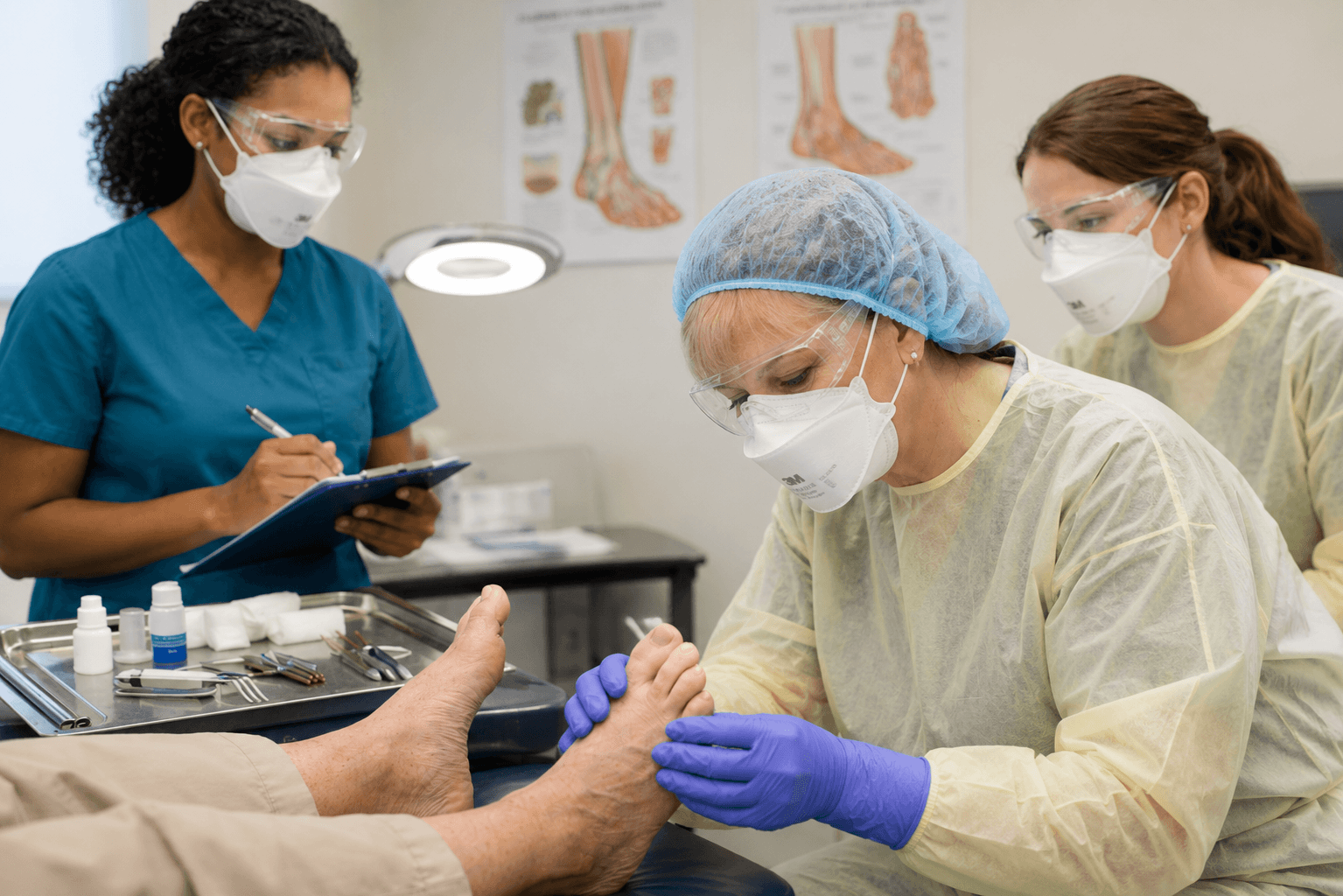
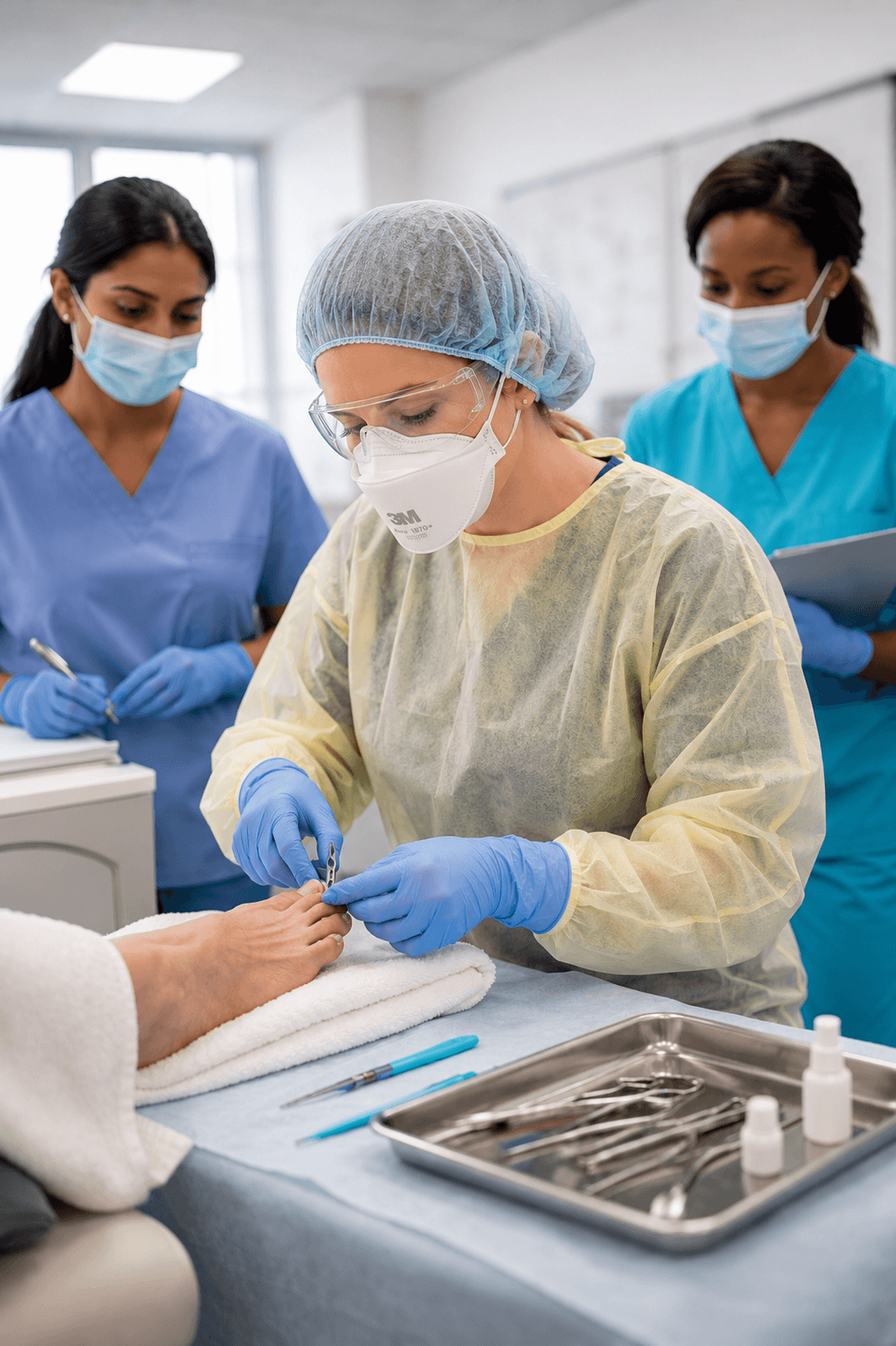
These educational programs often combine theoretical instruction with practical skill development. The goal is to help nurses better understand how foot health can influence mobility, comfort, and overall quality of life.
Common learning components may include:
| Topic Area | Relevance for Nursing Practice |
|---|---|
| Foot anatomy and physiology | Supports accurate clinical assessment |
| Skin and nail conditions | Helps nurses recognize common concerns |
| Infection prevention principles | Promotes safe care delivery |
| Instrument handling | Reduces risk of injury or contamination |
| Risk identification | Helps determine when referral may be required |
Through Specialized Education in Advanced Footcare Nursing, nurses learn how to integrate safety, assessment, and documentation practices into routine care.
Professional Considerations for Canadian Nurses
When nurses pursue additional education, it is important to understand how that learning fits within professional regulation. Specialized Education in Advanced Footcare Nursing supports knowledge development, but education alone does not determine scope of practice.
Scope of Practice
In Canada, nursing scope of practice is determined by several factors, including:
Provincial or territorial nursing regulatory bodies
Employer policies and clinical guidelines
Individual nurse competence and training
Because regulations vary across jurisdictions, the responsibilities associated with foot care services may differ from one province to another. Nurses must ensure that any care they provide aligns with their professional standards and workplace policies.
Educational programs such as Specialized Education in Advanced Footcare Nursing should therefore be considered one component of professional development rather than authorization to perform specific procedures.
Infection Prevention and Safety
Foot care procedures require careful attention to infection prevention. Instruments used in nail and skin care must be handled and reprocessed appropriately to minimize risk.
Many educational programs emphasize:
Cleaning and reprocessing of instruments
Use of personal protective equipment
Environmental hygiene practices
Safe handling of sharp instruments
These topics help reinforce the importance of safety in foot care environments.
Nurses interested in expanding their knowledge can explore educational resources through the AFCN Learning Institute education hub, including programs related to foundational foot care nursing education, infection prevention and medical device reprocessing, and nursing scope of practice learning resources.
Education and Authorization to Practise
A key point for nurses considering further training is the distinction between completing an educational program and being authorized to practise independently.
Completion of Specialized Education in Advanced Footcare Nursing generally results in a certificate of completion. This document confirms participation in the program and indicates that the nurse has completed the educational requirements.
However, a certificate of completion:
Does not grant a professional designation
Does not replace nursing licensure
Does not automatically authorize independent clinical practice
Nurses remain accountable to their provincial regulatory body and employer expectations when applying new knowledge to practice.
Education supports competence, but each nurse must determine how learning applies within their professional environment.
Common Misunderstandings About Footcare Education
When nurses begin exploring educational opportunities, several misconceptions may arise. Clarifying these issues helps ensure realistic expectations about continuing education.
Misconception 1: Footcare nursing is a separate license
In most Canadian provinces, nurses do not obtain a separate license to provide foot care. Instead, foot care activities occur within the nurse’s existing nursing license when consistent with scope of practice.
Misconception 2: A course automatically allows independent services
Even after completing Specialized Education in Advanced Footcare Nursing, nurses must ensure their practice aligns with provincial standards, employer policies, and professional accountability requirements.
Misconception 3: Footcare is purely cosmetic
In healthcare settings, routine foot care is often focused on maintaining skin integrity, reducing discomfort, and supporting safe mobility. Nurses also play a role in recognizing conditions that require referral to physicians, podiatrists, or other healthcare professionals.
Continuing Professional Education for Nurses
Ongoing learning is an important expectation within Canadian nursing practice. Many provincial regulators require participation in continuing competence or quality assurance programs.
Educational programs related to Specialized Education in Advanced Footcare Nursing can contribute to these professional development goals. Nurses may gain knowledge related to:
Structured foot assessment
Preventive foot care strategies
Clinical documentation
Client risk screening
Referral pathways to other healthcare providers
Nurses seeking further education opportunities may explore learning resources related to:
Clinical skills development for foot care nurses
Continuing professional development programs for nurses
Education resources for nurses returning to practice
These types of educational materials support ongoing competence and safe practice within healthcare environments.
Key Takeaways
Specialized Education in Advanced Footcare Nursing provides structured learning for nurses interested in expanding their foot care knowledge.
Programs often include assessment, infection prevention, and safe instrument handling.
Nursing scope of practice in Canada varies by province, employer, and individual competence.
Educational programs provide a certificate of completion, not professional certification.
Continuing education helps nurses strengthen knowledge while maintaining professional accountability.
Closing Perspective
Foot health can significantly influence comfort, independence, and mobility across many patient populations. For nurses working in community or long-term care environments, gaining a deeper understanding of foot health may support more comprehensive patient care.
Educational programs such as Specialized Education in Advanced Footcare Nursing can provide structured learning opportunities for nurses seeking to expand their knowledge. As with all continuing education, nurses should consider how new knowledge aligns with their regulatory standards, employer expectations, and personal professional competence.
https://www.afcnlearninginstitute.com/courses/advancedfootcarenursecourse
FAQs
What is Specialized Education in Advanced Footcare Nursing?
It is continuing education designed to help licensed nurses develop knowledge related to foot assessment, routine care techniques, and infection prevention practices.
Who can take advanced footcare nursing education in Canada?
Programs are typically intended for licensed nurses such as RNs, RPNs, and LPNs who want to expand their professional knowledge in foot care.
Does completing a course allow independent practice?
Not automatically. Nurses must follow provincial regulations, employer policies, and professional standards when applying new knowledge.