
Table of Contents
Introduction
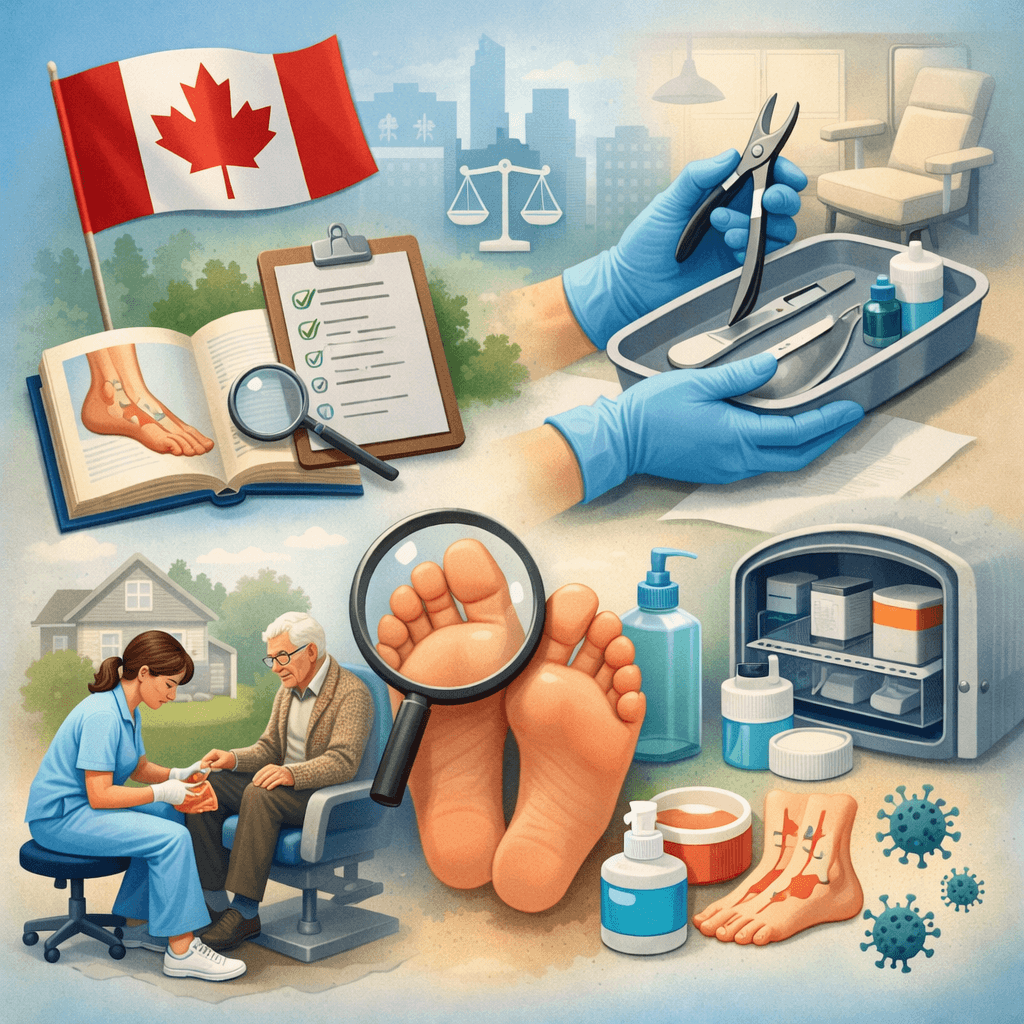
Continuing Education for Foot Care Nurses plays an important role in maintaining clinical knowledge, supporting safe practice, and promoting professional accountability. In Canada, licensed nurses who provide or are exploring foot care services may participate in ongoing education to maintain competency in assessment techniques, infection prevention practices, and clinical decision-making.
Healthcare knowledge evolves continually. Changes in clinical guidelines, infection control standards, and professional expectations mean that nurses benefit from regular learning opportunities throughout their careers. Continuing Education for Foot Care Nurses helps support this ongoing development while reinforcing evidence-informed approaches to patient care.
For many nurses, lifelong learning is also aligned with professional regulatory expectations. Canadian nursing regulators commonly require nurses to maintain competence through reflective practice, continuing education, and quality assurance programs.
Understanding Continuing Education for Foot Care Nurses
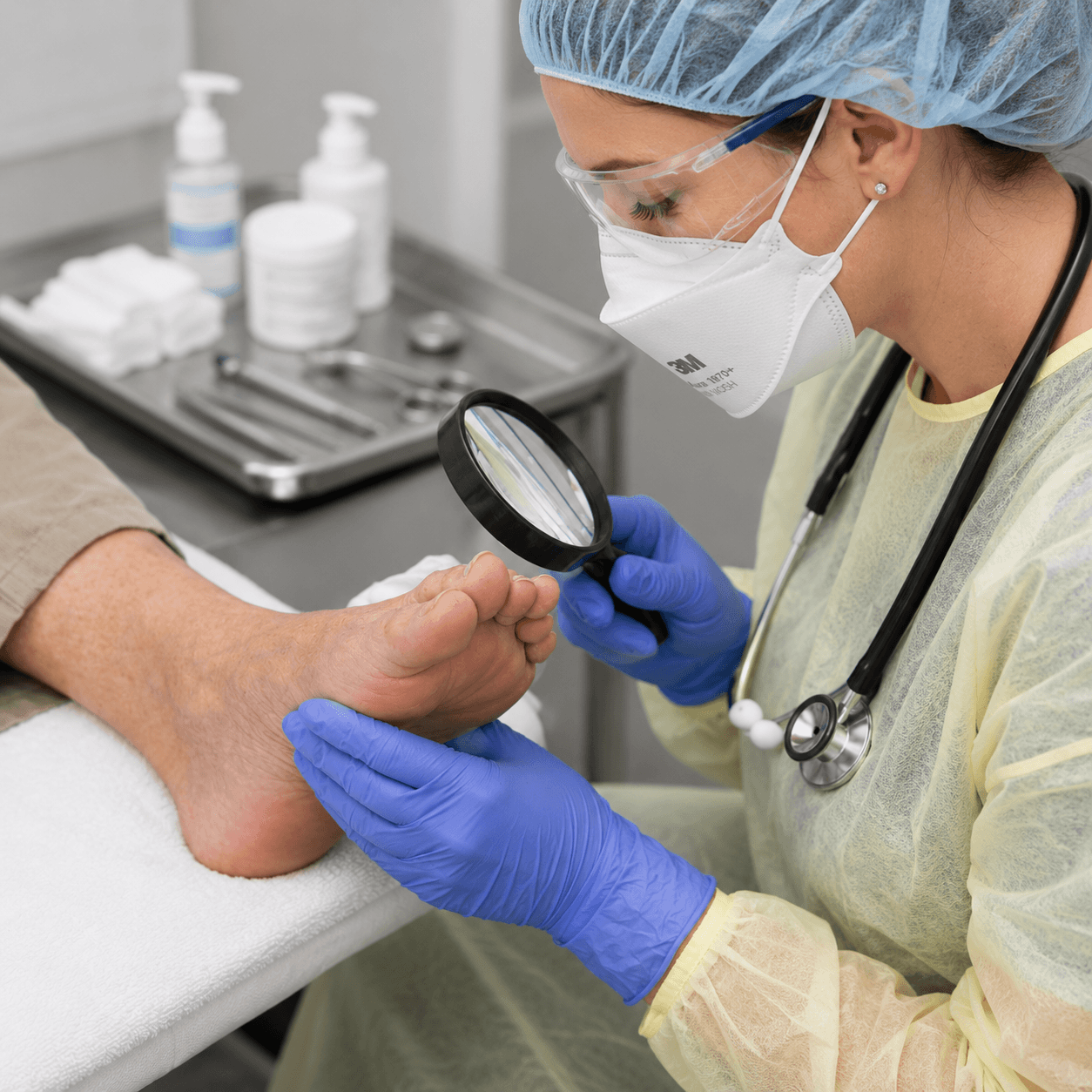
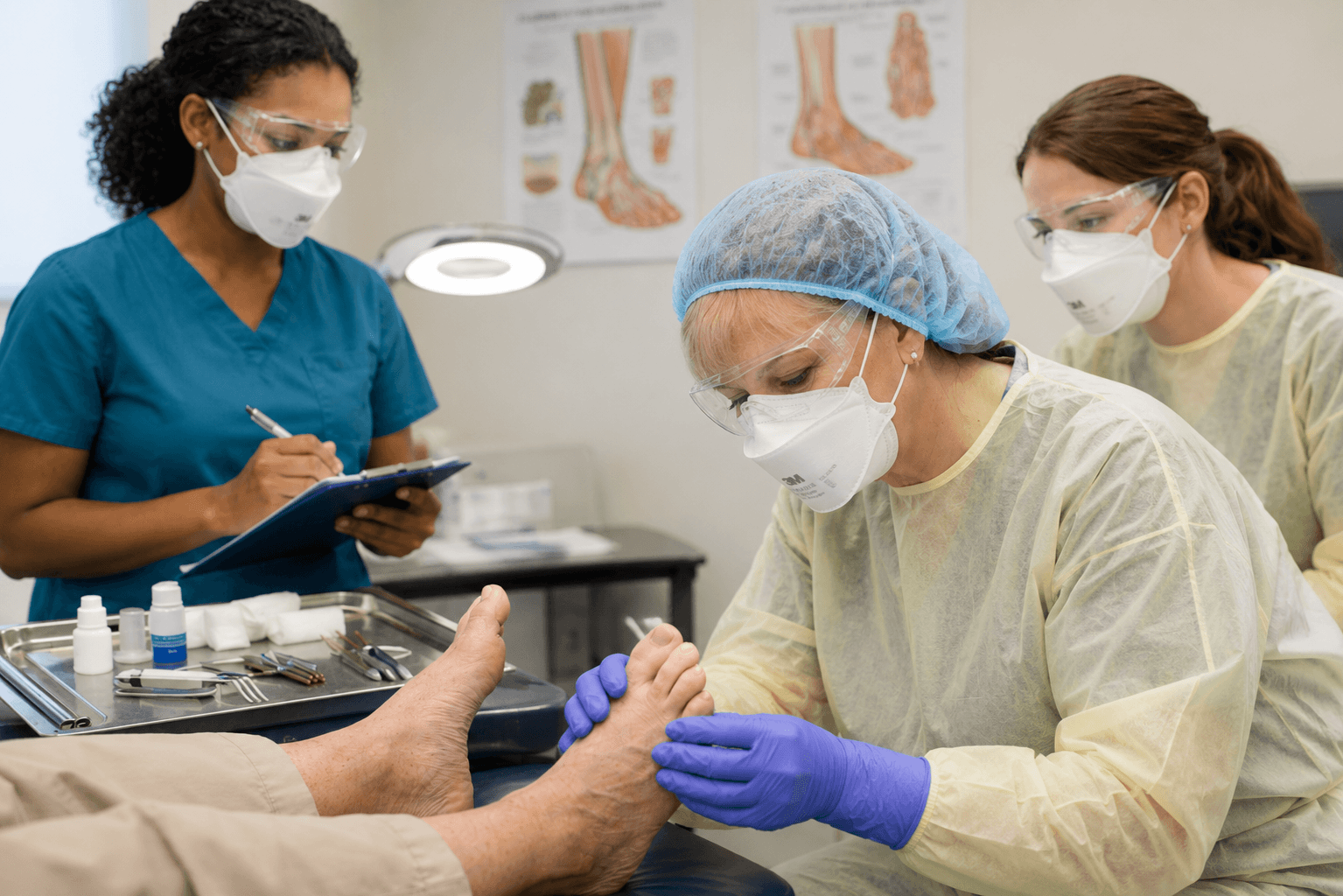
Continuing Education for Foot Care Nurses refers to structured learning activities that support the ongoing development of nurses who provide foot care services within their professional scope. These learning activities may include courses, workshops, online learning modules, or professional development programs focused on foot health assessment, infection prevention, and clinical tools used in foot care settings.
Continuing education can support nurses in maintaining foundational knowledge while learning about updated practices and emerging considerations in foot health.
Examples of learning topics may include:
Infection prevention and control in foot care settings
Instrument reprocessing and medical device safety
Foot and nail assessment approaches
Risk awareness related to foot conditions
Documentation and professional accountability
Many nurses begin this learning journey by reviewing resources within the AFCN Learning Institute education hub and exploring structured educational options such as foundational foot care nursing education.
It is important to recognize that education provides knowledge and skills development. However, education alone does not grant authorization to practise a specialized service. A nurse’s scope of practice is determined by provincial regulators, employer policies, and the nurse’s individual competence.
Professional Considerations in Continuing Education for Foot Care Nurses
Scope of Practice in Canada
When considering Continuing Education for Foot Care Nurses, it is essential to understand how scope of practice functions within Canadian nursing regulation.
Each province and territory has its own nursing regulatory body. These regulators outline expectations related to competence, professional standards, and ongoing learning.
Key considerations include:
Scope of practice may vary between RNs, RPNs, and LPNs depending on the province.
Employers may establish additional policies that influence permitted clinical activities.
Nurses are responsible for ensuring they practise within their individual competence.
For many nurses, reviewing scope of practice education resources can help clarify these professional responsibilities.
Infection Prevention and Safety
Foot care services often involve the use of clinical instruments and close patient contact. As a result, infection prevention practices remain an important focus within Continuing Education for Foot Care Nurses.
Professional learning may address topics such as:
Cleaning and sterilization of reusable instruments
Safe handling of clinical tools
Environmental infection control practices
Personal protective equipment use
Educational programs commonly include training related to infection prevention and medical device reprocessing to support safe clinical environments.
Maintaining current knowledge in these areas helps nurses reduce risk and follow evidence-informed safety practices.
Ethical and Professional Accountability
Another important component of Continuing Education for Foot Care Nurses is the development of professional judgment and ethical awareness.
Nurses who provide foot care services may encounter situations requiring careful assessment and decision-making. Continuing education can help reinforce principles such as:
Recognizing when referral or consultation is appropriate
Maintaining professional boundaries
Practising within competence limits
Documenting care accurately
Professional development programs often incorporate these topics through structured learning and reflective practice.
Resources related to clinical skills and tools education may also support this aspect of professional growth.
Common Misconceptions About Continuing Education
Some misunderstandings can occur when discussing Continuing Education for Foot Care Nurses. Clarifying these misconceptions supports more informed professional decision-making.
Misconception 1: Education Automatically Grants Authorization
Completing a course or workshop does not automatically authorize a nurse to provide a specific service. Regulatory expectations and employer policies determine what activities a nurse may perform within practice.
Education provides knowledge and skill development but does not replace professional regulation.
Misconception 2: Learning Stops After Initial Training
In reality, Continuing Education for Foot Care Nurses reflects the broader expectation that nurses maintain competence throughout their careers.
Healthcare knowledge evolves over time. Ongoing learning helps nurses stay informed about clinical considerations, infection prevention updates, and professional standards.
Misconception 3: Continuing Education Is Only Required for New Nurses
Experienced nurses also benefit from lifelong learning. In many Canadian jurisdictions, continuing competence programs require nurses at all career stages to reflect on learning needs and complete professional development activities.
Programs related to professional development and returning-to-practice resources may help support this ongoing growth.
The Role of Lifelong Learning in Nursing Practice
Continuing Education for Foot Care Nurses is closely connected to the broader concept of lifelong learning in healthcare. Lifelong learning refers to the ongoing process of acquiring knowledge, skills, and professional insight throughout a nurse’s career.
In the context of foot care nursing, lifelong learning may support:
Maintaining safe clinical techniques
Staying informed about infection prevention guidance
Enhancing patient assessment skills
Strengthening documentation and professional accountability
Continuing education can also provide opportunities for nurses to connect theoretical knowledge with clinical experience.
Many nurses use a combination of structured education, reflective practice, and professional resources to maintain competence over time.
Key Takeaways
Continuing Education for Foot Care Nurses supports professional competence and safe clinical practice.
Ongoing learning is consistent with Canadian nursing regulators’ expectations for maintaining competence.
Education provides knowledge and skill development but does not automatically authorize practice.
Scope of practice varies by province, employer policies, and individual competence.
Topics commonly include infection prevention, assessment techniques, and ethical practice.
Lifelong learning helps nurses remain informed as healthcare knowledge evolves.
Ethical Closing Statement
Continuing Education for Foot Care Nurses supports ongoing professional learning and helps nurses remain informed about evolving healthcare practices. Licensed nurses in Canada are responsible for ensuring that their education, competence, and professional activities align with the expectations of their provincial regulatory body and employer policies.
Educational programs may provide valuable knowledge and skill development; however, authorization to practise specific services is determined by regulatory and workplace requirements.
https://www.afcnlearninginstitute.com/collections
FAQs
What is continuing education for foot care nurses?
Continuing education for foot care nurses refers to structured learning activities that support the ongoing development of licensed nurses who provide foot care services within their professional scope.
Do foot care courses authorize nurses to practise foot care?
No. Education provides knowledge and skill development, but authorization to practise depends on provincial nursing regulators, employer policies, and the nurse’s individual competence.
Why is continuing education important in foot care nursing?
Continuing education helps nurses stay informed about infection prevention practices, clinical assessment approaches, and professional standards related to safe foot care services.
Do all Canadian nurses need continuing education?
Most Canadian nursing regulators require nurses to participate in continuing competence or quality assurance programs, which often include ongoing learning and professional development activities.