Table of Contents
- Understanding Custom Silicone Orthosis and Offloading Devices
- Why Pressure Redistribution Matters in Foot Care
- Professional Considerations in Canadian Nursing Practice
- Assessment Before Creating a Custom Silicone Orthosis
- Common Misconceptions About Offloading Devices
- Padding and Strapping as Complementary Techniques
- Education and Competency Development
- Professional Insight from a Nursing Education Perspective
- Integrating Offloading Into a Comprehensive Care Plan
- Key Takeaways
- Closing Statement
- FAQs
Custom Silicone Orthosis and Offloading Devices
Custom Silicone Orthosis and Offloading Devices are important tools in foot care nursing practice. These devices help redistribute pressure, reduce friction, and support structural deformities that may contribute to callus formation, corns, and pre-ulcerative lesions. For Canadian nurses providing foot care, understanding when and how to use custom silicone orthoses is part of delivering safe, evidence-informed care within scope of practice.
This article explains key concepts, professional considerations, and the role of education in using custom silicone orthoses and offloading strategies in clinical practice.
Understanding Custom Silicone Orthosis and Offloading Devices
A custom silicone orthosis is a molded device created from medical-grade silicone and shaped directly to a client’s foot or toe. It is designed to:
Offload areas of high plantar or digital pressure
Reduce friction between toes
Separate overlapping digits
Cushion bony prominences
Support mild structural deformities
Offloading devices more broadly refer to any intervention that redistributes pressure away from a high-risk area. This may include:
Silicone digital orthoses
Padding and strapping techniques
Footwear modifications
Pressure-relieving insoles
Toe separators or crest pads
For nurses providing foot care in Canada, offloading is often considered part of preventative care, particularly for clients at risk of tissue breakdown.
For foundational principles, see the AFCN Learning Institute education hub and its resources on evidence-informed foot care nursing practice.
Why Pressure Redistribution Matters in Foot Care
Localized pressure contributes to:
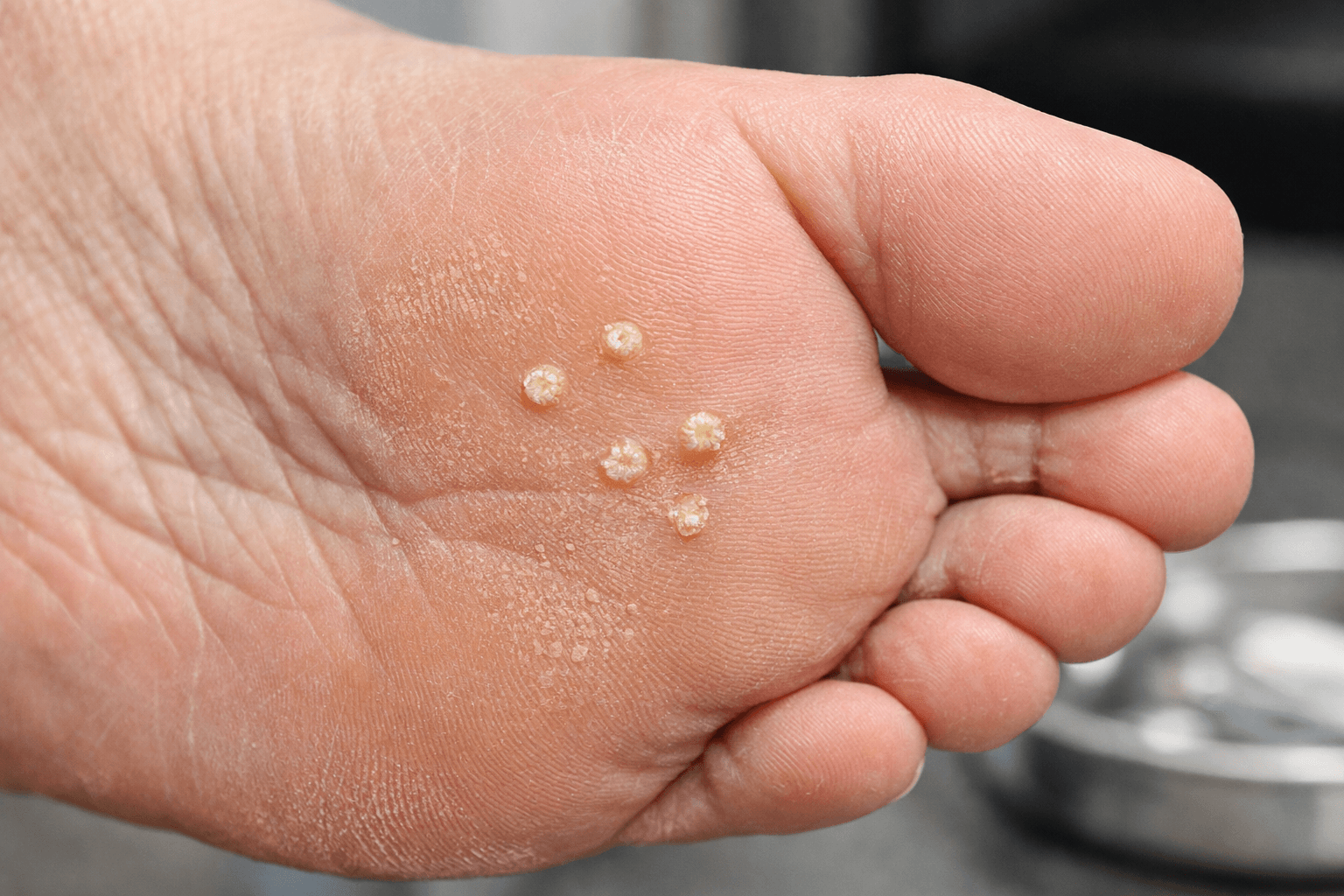
Callus formation
Corn development
Skin breakdown
Pre-ulcerative lesions
Increased risk in clients with neuropathy
Clients with diabetes, peripheral neuropathy, structural deformities, or limited mobility may be particularly vulnerable.
Custom Silicone Orthosis and Offloading Devices are not curative treatments. Instead, they are supportive interventions designed to reduce mechanical stress during gait and daily activity.
Biomechanical assessment and gait observation help nurses determine:
Location of peak pressure
Structural contributors (e.g., hammertoes, bunions)
Friction or shear forces
Footwear fit and function
Educational preparation in clinical skills and tools for foot care nursing supports safe application of these devices.
Professional Considerations in Canadian Nursing Practice
Scope of Practice
In Canada, the scope of practice is defined by:
Provincial or territorial nursing regulatory bodies
Employer policies
Individual competence
Education in Custom Silicone Orthosis and Offloading Devices does not automatically authorize independent practice. Nurses must ensure:
The intervention falls within their regulated scope
They have appropriate education and training
They practise within employer policies
For additional guidance, review the scope of practice education for foot care nurses.
Safety and Infection Prevention
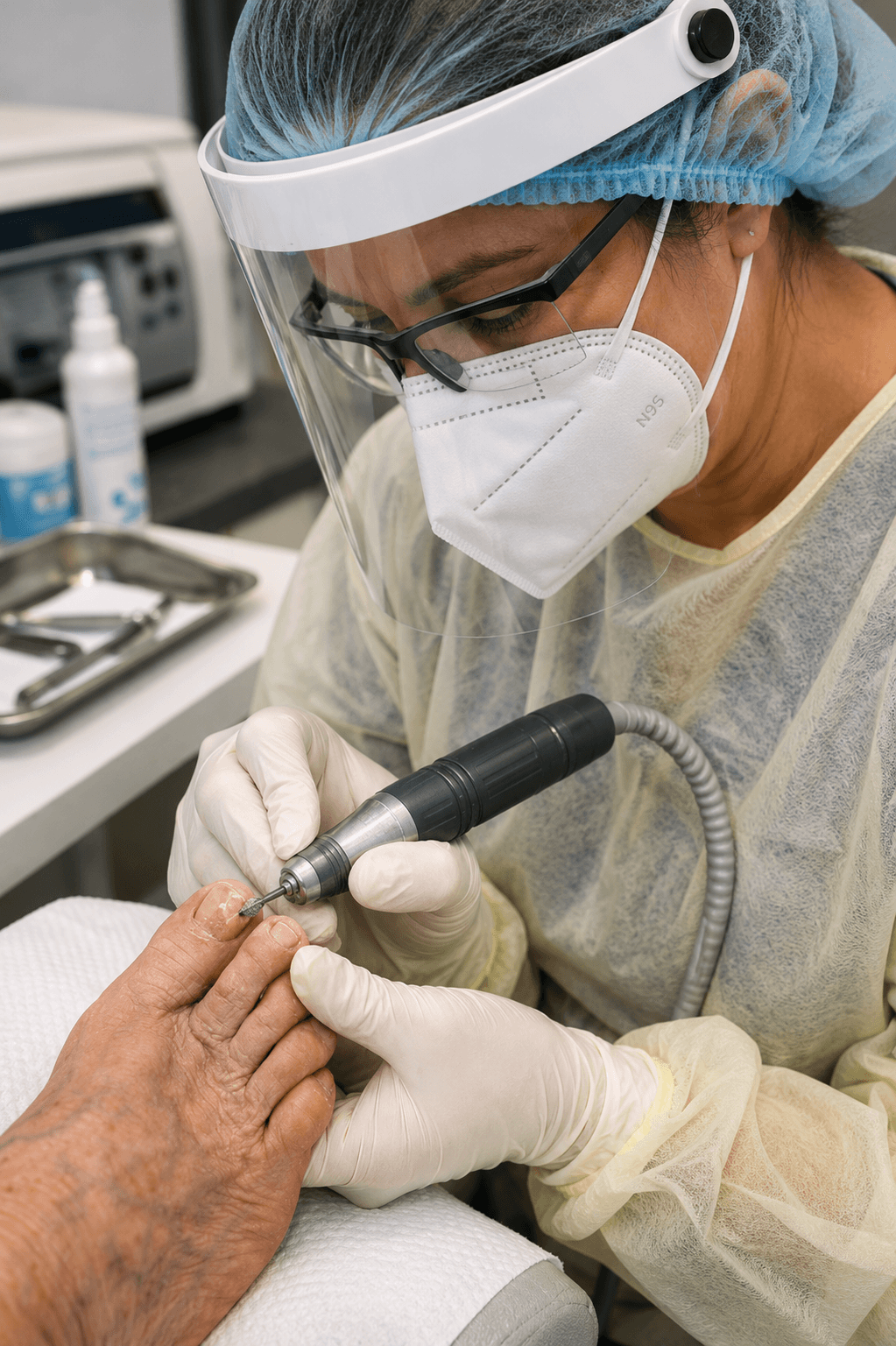
Creating a custom silicone orthosis requires:
Clean technique or aseptic considerations as appropriate
Proper medical device handling
Knowledge of contraindications
Safe use of molding materials
Nurses must also understand:
Skin integrity assessment
Circulatory considerations
Neuropathy risks
When referral to a physician or specialist is required
Education in infection prevention and medical device reprocessing supports safe material handling and client protection.
Ethical Considerations
Ethical nursing practice includes:
Informed consent
Clear explanation of purpose and limitations
Documentation of assessment findings
Avoiding guarantees of outcomes
Clients should understand that offloading devices support pressure redistribution but do not replace medical management of underlying conditions.
Assessment Before Creating a Custom Silicone Orthosis
Before fabricating a device, a structured assessment should include:
1. Biomechanical Assessment
Foot alignment
Range of motion
Digital deformities
Weight-bearing patterns
2. Gait Analysis
Toe-off phase mechanics
Pressure points during ambulation
Compensation patterns
3. Structural Review
Common deformities influencing pressure include:
| Deformity | Potential Pressure Area |
|---|---|
| Hammertoe | Dorsal PIP joint |
| Claw toe | Distal toe tip |
| Hallux valgus | Medial first MTP joint |
| Overlapping toes | Interdigital spaces |
Understanding these patterns improves orthosis design decisions.
Common Misconceptions About Offloading Devices
Misconception 1: Silicone orthoses cure deformities.
They do not correct structural changes. They provide cushioning and pressure redistribution.
Misconception 2: Any padding works the same way.
Improperly applied padding may increase pressure elsewhere.
Misconception 3: Offloading replaces proper footwear.
Footwear fit remains critical. In some cases, footwear modification may be more appropriate.
Misconception 4: More cushioning is always better.
Excess bulk may create additional friction or compromise shoe fit.
These considerations highlight the importance of structured education, such as foundational foot care nursing education programs.
Padding and Strapping as Complementary Techniques
Padding and strapping techniques often complement Custom Silicone Orthosis and Offloading Devices.
These may include:
Felt padding
Foam offloading pads
Toe crest supports
Digital separators
Strapping for temporary redistribution
Temporary padding may be appropriate when:
A silicone device is not tolerated
The condition is short-term
Further assessment is pending
For nurses returning to advanced foot care practice, structured review through professional development and returning-to-practice education supports skill refinement.
Education and Competency Development
Competent fabrication of custom silicone orthoses requires:
Knowledge of foot anatomy
Understanding of pressure mechanics
Material handling skills
Awareness of contraindications
Documentation standards
Continuing education should include:
Demonstrated technique
Case-based learning
Infection control review
Ethical client communication
A certificate of completion indicates participation in education. It does not replace regulatory authorization or employer approval.
Professional Insight from a Nursing Education Perspective
From an educational standpoint, Custom Silicone Orthosis and Offloading Devices represent an extension of preventative nursing care. They align with nursing goals of:
Reducing avoidable complications
Supporting client mobility
Promoting tissue integrity
Encouraging informed self-care
When grounded in assessment and used appropriately, these devices can be integrated into comprehensive foot care plans.
However, clinical judgment remains central. Offloading is one component of care and must be considered alongside vascular status, neuropathy, systemic health, and interdisciplinary collaboration.
Integrating Offloading Into a Comprehensive Care Plan
Custom Silicone Orthosis and Offloading Devices should not be used in isolation. They are most effective when incorporated into a broader, individualized care plan that reflects the client’s overall health status, mobility level, and risk factors.
A comprehensive foot care plan may also include:
Routine skin and nail care
Callus reduction where appropriate
Client education on daily foot inspection
Footwear assessment and guidance
Monitoring for early signs of tissue compromise
For clients living with diabetes or peripheral neuropathy, consistent monitoring is essential. Reduced protective sensation increases the risk of unnoticed friction or pressure. Nurses must therefore provide clear instructions regarding:
Gradual wear schedules for new orthoses
Signs of irritation or redness
When to discontinue use and seek reassessment
Documentation should include:
Assessment findings
Rationale for device selection
Type of silicone material used
Client tolerance
Education provided
Ongoing reassessment ensures that Custom Silicone Orthosis and Offloading Devices continue to fit properly and function as intended. Changes in weight, edema, mobility, or footwear can alter pressure patterns over time.
From a nursing education perspective, critical thinking remains central. Offloading decisions should always reflect current assessment findings rather than routine or habit-based practice.
Key Takeaways
Custom Silicone Orthosis and Offloading Devices help redistribute pressure and reduce friction.
A thorough assessment is essential before fabrication.
The scope of practice varies across Canadian provinces and employers.
Education supports safe, ethical integration into nursing practice.
Offloading devices are supportive tools, not corrective treatments.
Closing Statement
Custom Silicone Orthosis and Offloading Devices can support pressure redistribution when integrated thoughtfully into foot care nursing practice. As with all clinical interventions, their use must reflect regulatory standards, individual competence, and evidence-informed assessment. Ongoing education helps ensure that these tools are applied safely and ethically within Canadian nursing practice.
FAQs
What is a custom silicone orthosis in foot care nursing?
A custom silicone orthosis is a molded device made from medical-grade silicone that redistributes pressure, reduces friction, and supports digital deformities in the foot.
Are nurses in Canada allowed to create custom silicone orthoses?
Scope of practice varies by province and employer. Nurses must ensure the activity aligns with regulatory standards, employer policies, and their individual competence.
Do offloading devices prevent foot ulcers?
Offloading devices help reduce pressure and friction, which may lower risk factors for skin breakdown. They do not replace medical management or comprehensive risk assessment.
Does completing an offloading education course authorize independent practice?
No. A certificate of completion confirms participation in education. Authorization to practise is determined by provincial regulation and employer policy.