
Table of Contents
Introduction
Diabetes-related foot complications remain a significant health concern in many healthcare settings. For nurses involved in assessment, health promotion, and preventative care, education plays a central role in reducing the risk of complications such as ulcers, infection, and lower-limb amputation. The Role of Education in Diabetic Foot Prevention involves helping patients understand risk factors, recognize early warning signs, and adopt consistent foot care practices.
Nurses in Canada frequently participate in patient teaching related to chronic disease management. Within this context, The Role of Education in Diabetic Foot Prevention includes providing clear information, reinforcing self-care routines, and supporting patients in maintaining skin integrity and circulation. Education may occur in primary care clinics, community health programs, long-term care environments, or specialized foot care services.
While education is widely recognized as an important preventative strategy, it must be delivered within the nurse’s professional scope of practice and supported by appropriate training. Understanding The Role of Education in Diabetic Foot Prevention allows nurses to approach patient teaching in a structured, evidence-informed manner.
Key Concepts and Definitions
Diabetic Foot Complications
Diabetic foot complications refer to conditions affecting the feet of individuals living with diabetes, often related to neuropathy, peripheral vascular disease, or reduced wound healing capacity. These complications can include:
Foot ulcers
Skin breakdown or callus formation
Infection
Structural changes in the foot
Increased risk of amputation
Because many complications begin with small injuries or unnoticed pressure points, patient awareness and early intervention are essential.
Patient Education in Foot Health
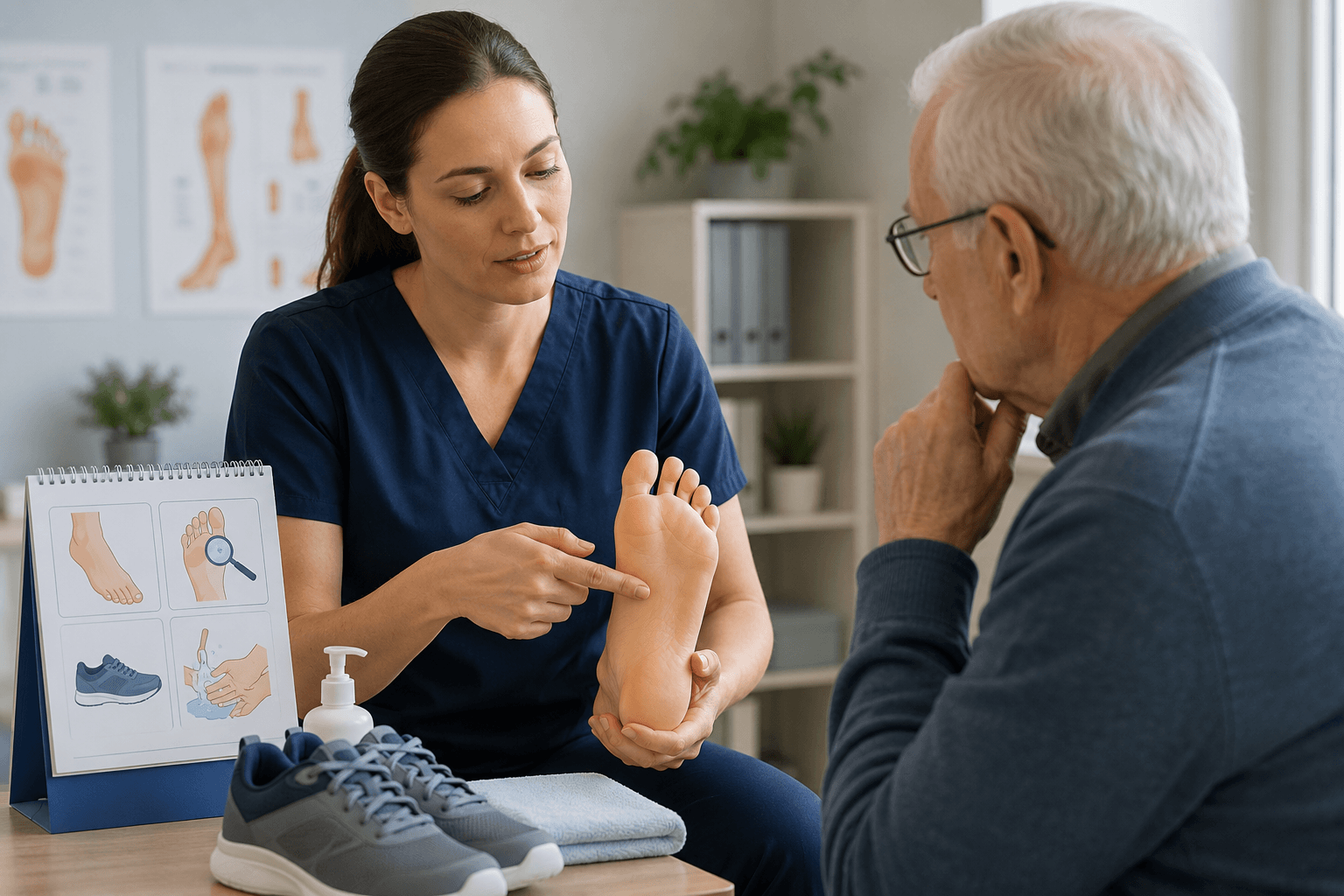
Within nursing practice, patient education involves structured communication that helps individuals understand health risks and appropriate self-care behaviours. The Role of Education in Diabetic Foot Prevention includes teaching patients how to monitor their feet regularly and when to seek medical attention.
Educational discussions may include:
Daily foot inspection techniques
Safe nail and skin care practices
Proper footwear selection
Recognizing early signs of injury or infection
When to contact a healthcare provider
Clear, consistent information can help reduce preventable complications and support safer long-term diabetes management.
Professional Considerations for Nurses
Scope of Practice in Canada
Canadian nurses provide education and preventative care within the scope defined by their provincial regulatory body and their employer’s policies. When discussing The Role of Education in Diabetic Foot Prevention, it is important to recognize that scope of practice may vary across provinces and clinical settings.
Completion of continuing education or training programs does not automatically authorize a nurse to perform new clinical procedures. Instead, education supports knowledge development and competency. Authorization to perform specific skills depends on regulatory guidance, employer policies, and demonstrated competence.
Nurses exploring foot care nursing often begin by strengthening their understanding of preventative education. Educational resources such as the AFCN Learning Institute education hub and foundational foot care nursing education resources can help nurses build this knowledge base.
Safety and Infection Prevention
Teaching foot care also involves reinforcing safety practices that help reduce the risk of infection. Patients with diabetes may experience reduced sensation, which can increase the likelihood of unnoticed injuries.
Educational topics may include:
Avoiding walking barefoot
Inspecting footwear for debris
Maintaining clean, dry skin
Monitoring changes in skin colour or temperature
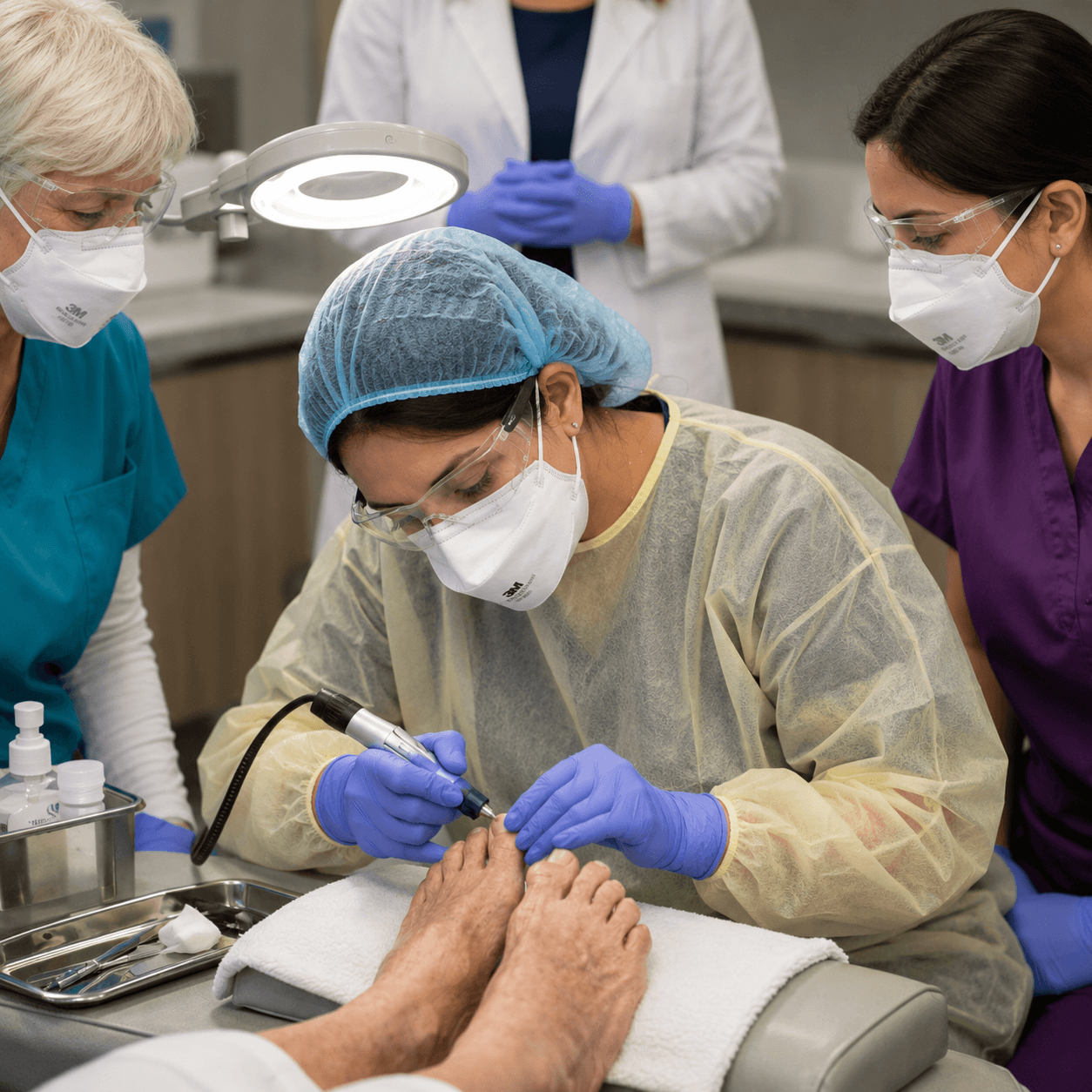
Nurses who perform clinical foot care procedures must also understand infection control principles. Education in infection prevention and medical device reprocessing supports safe clinical practice when instruments or equipment are used.
Ethical and Patient-Centered Communication
Effective education should be respectful, culturally sensitive, and appropriate to the patient’s health literacy level. Nurses should provide information in plain language and encourage questions.
In many situations, The Role of Education in Diabetic Foot Prevention involves reinforcing information gradually over multiple encounters rather than delivering large amounts of information during a single visit. Repetition and demonstration may improve patient understanding and confidence.
Common Misconceptions About Diabetic Foot Education
Several misunderstandings may affect how education is delivered or interpreted in clinical settings.
Misconception 1: Education alone eliminates risk.
Education supports prevention but does not remove the underlying physiological risks associated with diabetes.
Misconception 2: Patients already understand foot care.
Many individuals living with diabetes have never received structured foot care education. Revisiting the topic can identify knowledge gaps.
Misconception 3: Foot education is only relevant for advanced disease.
Early education is often more effective. Introducing foot care principles shortly after diagnosis can support long-term preventative habits.
Addressing these misconceptions reinforces The Role of Education in Diabetic Foot Prevention as a consistent component of chronic disease management rather than a one-time discussion.
Nursing Education and Professional Development
Continuing education allows nurses to strengthen their understanding of preventative foot care, risk assessment, and patient communication strategies. Programs focused on foot health education may explore topics such as:
Diabetic foot risk factors
Skin and nail assessment principles
Patient teaching strategies
Documentation considerations
Professional learning pathways, including clinical skills and tools education and scope of practice education for nurses, can help nurses understand how preventative education fits within broader foot care nursing roles.
For nurses returning to clinical practice or exploring specialized areas of care, professional development resources for returning nurses may provide additional guidance.
In many educational settings, The Role of Education in Diabetic Foot Prevention is discussed alongside risk screening and interdisciplinary collaboration. Nurses often work with physicians, podiatrists, wound care specialists, and diabetes educators to support comprehensive care.
Key Takeaways
The Role of Education in Diabetic Foot Prevention includes teaching patients how to identify early signs of foot injury or infection.
Consistent patient education may support earlier recognition of potential complications.
Nursing education programs can help nurses develop structured teaching strategies for preventative foot care.
Scope of practice for foot care activities varies by province and employer within Canada.
Continuing education supports knowledge development but does not automatically authorize clinical procedures.
Ethical Closing Statement
Understanding The Role of Education in Diabetic Foot Prevention helps nurses contribute to preventative care within their professional scope of practice. Educational conversations about foot health can support patient awareness and early recognition of potential concerns. As with all nursing activities in Canada, practice responsibilities depend on provincial regulatory guidance, employer policies, and individual competence. Continuing professional education may help nurses develop the knowledge required to provide safe, evidence-informed patient education related to foot health.
https://www.afcnlearninginstitute.com/collections
FAQs
Why is education important for preventing diabetic foot complications?
Education helps patients recognize early signs of injury, maintain proper foot hygiene, and seek medical attention when necessary.
What do nurses teach during diabetic foot education?
Nurses commonly teach daily foot inspection, safe skin and nail care practices, appropriate footwear choices, and warning signs that require medical assessment.
Does completing foot care education allow nurses to perform clinical foot procedures?
No. Continuing education provides knowledge and skill development, but authorization to perform specific procedures depends on provincial regulations and employer policies.
When should diabetic foot education begin?
Education is often most effective when introduced early in diabetes management and reinforced regularly during ongoing healthcare visits.