
Table of Contents
Building a Foot Care Nursing Business in Canada
Introduction
Building a Foot Care Nursing Business in Canada requires more than clinical skill. It involves professional accountability, regulatory awareness, infection prevention standards, and a clear understanding of the scope of practice within your province or territory.
Foot care nursing continues to grow across Canada in response to an aging population, increased prevalence of chronic disease, and demand for community-based services. Many licensed nurses (RNs, RPNs, and LPNs) explore independent or contract-based practice models. However, education alone does not grant authorization to practise independently. The scope of practice varies by province and employer, and nurses are responsible for ensuring they meet regulatory requirements before offering services.
This article outlines key considerations, common misconceptions, and professional education insights relevant to nurses exploring Building a Foot Care Nursing Business in Canada.
Defining the Role and Practice Context
What Is Foot Care Nursing?
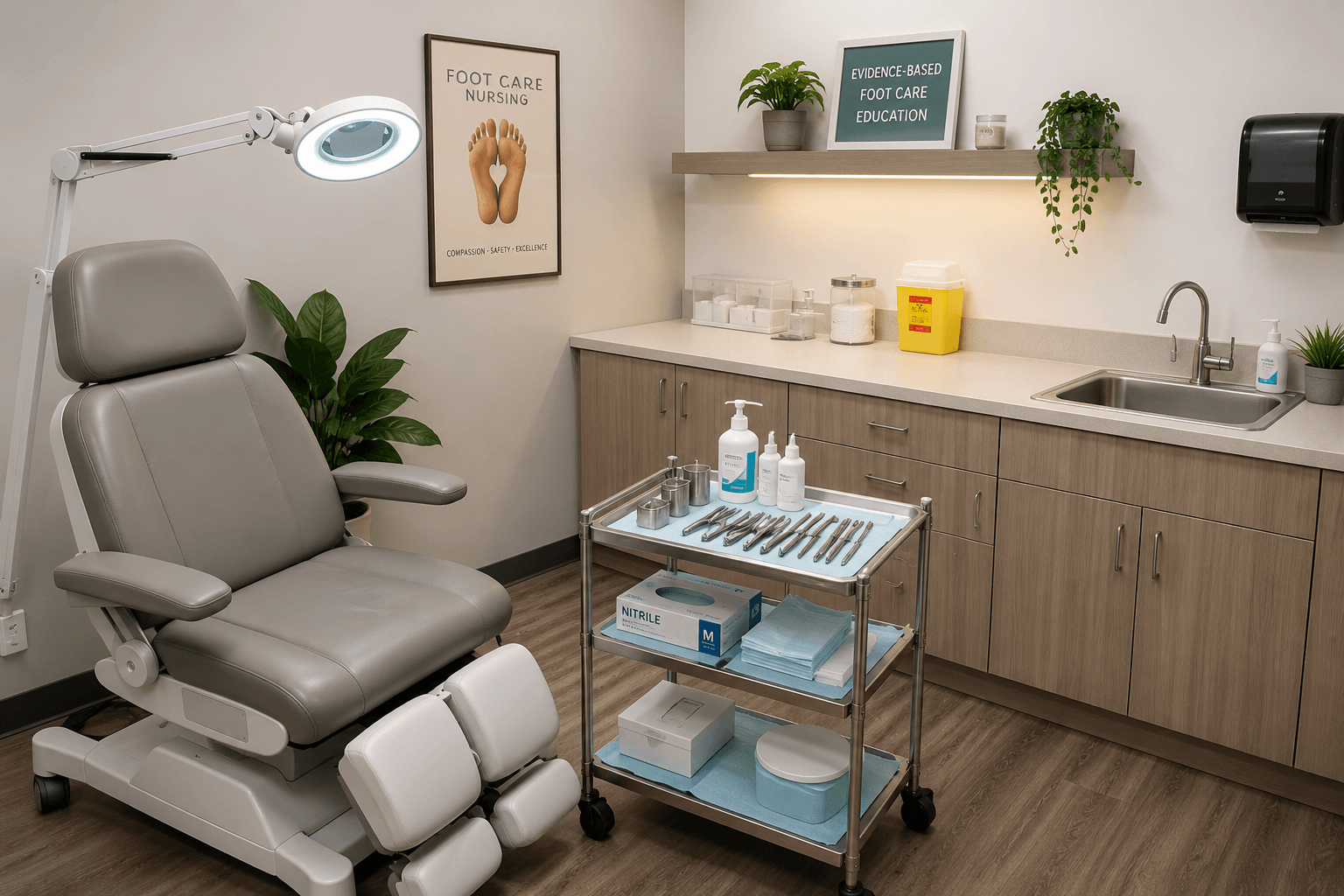
Foot care nursing involves assessment, preventative care, risk identification, and basic treatment within the nursing scope. Services may include:
Skin and nail assessment
Basic nail reduction
Callus management (within scope)
Client education
Referral to appropriate providers when indicated
Foot care nursing is not podiatry. Nurses must practise within their regulated nursing scope and avoid controlled acts beyond authorization.
For foundational competencies, nurses often begin with structured education through a foundational foot care nursing education program available via the AFCN Learning Institute education hub.
Regulatory and Scope Considerations
When discussing Building a Foot Care Nursing Business in Canada, regulatory compliance is central.
Key principles include:
Provincial regulation governs practice.
Each nursing college outlines controlled acts, delegation rules, and independent practice requirements.Employer policies may further restrict the scope.
Nurses working in facilities or home care agencies must comply with internal policies.Education does not equal authorization.
Completion of a course provides a certificate of completion, not certification or licensure expansion.Liability coverage must align with the services provided.
Nurses are encouraged to review the scope of practice education resources and consult their provincial regulatory body before launching services.
Safety and Infection Prevention Standards
Safe service delivery is foundational to Building a Foot Care Nursing Business in Canada.
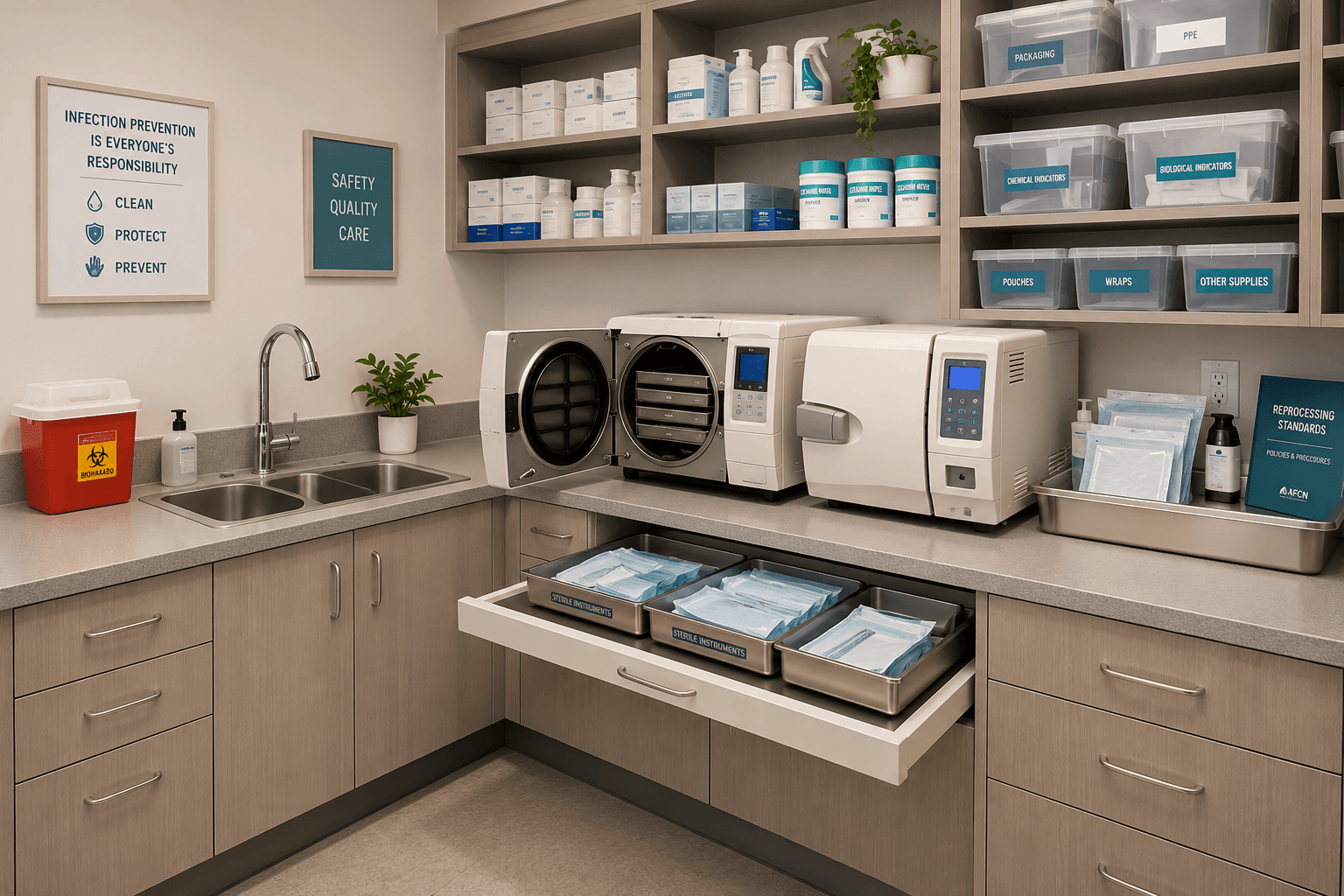
Foot care frequently involves instruments that contact non-intact skin. Infection prevention and control (IPAC) measures must meet Canadian standards. This includes:
Instrument cleaning and sterilization protocols
Documentation of reprocessing procedures
Single-use vs. reusable device clarity
Routine equipment maintenance
Nurses must understand infection prevention and medical device reprocessing standards prior to offering services.
Essential Safety Infrastructure
| Safety Element | Professional Requirement |
|---|---|
| Sterilization | Validated reprocessing workflow |
| Documentation | Clear client records and consent |
| Risk Screening | Vascular and diabetic risk awareness |
| Referral Pathways | Established escalation processes |
Professional responsibility includes recognizing when a condition exceeds the nursing scope and requires referral.
Business Structure and Ethical Practice
While entrepreneurship can be professionally rewarding, ethical clarity is essential in Building a Foot Care Nursing Business in Canada.
Nurses should consider:
Sole proprietorship vs. incorporation
Contract agreements with long-term care or retirement residences
Clear service descriptions
Transparent fee structures
Professional boundaries in marketing
Marketing must remain factual and avoid misrepresentation. Titles such as “certified foot care specialist” may be misleading unless recognized by a regulatory authority.
For guidance, many nurses explore professional development and returning-to-practice resources to strengthen documentation, communication, and business processes.
Education and Competency Development
Clinical confidence develops through structured education and supervised practice.
Relevant educational areas include:
Foot and lower limb assessment
Diabetic foot risk awareness
Documentation standards
Clinical tool selection and maintenance
Interprofessional communication
Nurses may benefit from reviewing clinical skills and tools education resources to support safe equipment use and care planning.
Continuing competence is an ongoing obligation under Canadian nursing regulation. Participation in continuing education contributes to professional accountability.
Common Misconceptions
Several misunderstandings can complicate Building a Foot Care Nursing Business in Canada.
Misconception 1: A course automatically authorizes independent practice.
Education enhances knowledge but does not replace regulatory approval or employer authorization.
Misconception 2: Foot care nursing is low-risk.
Clients often have diabetes, vascular disease, neuropathy, or compromised immunity. Risk screening is essential.
Misconception 3: Sterilization requirements are minimal.
Reprocessing standards apply regardless of practice size.
Misconception 4: Business growth replaces clinical diligence.
Administrative expansion must not compromise documentation or safety protocols.
Clarifying these misconceptions protects both nurses and clients.
Professional Growth and Service Expansion
As experience increases, some nurses consider scaling services through contracts or collaborative practice models. Thoughtful planning is necessary when Building a Foot Care Nursing Business in Canada.
Expansion considerations include:
Maintaining consistent IPAC standards across locations
Ensuring staff competency if hiring additional nurses
Establishing written policies and procedures
Preserving continuity of care
Nurses exploring leadership development may consult the AFCN Learning Institute education hub for structured professional education.
Scaling should be gradual and grounded in patient safety, not revenue targets.
In addition to operational planning, nurses should evaluate community needs when expanding services. Demographic trends across Canada show increasing rates of diabetes, peripheral vascular disease, and age-related mobility challenges. These conditions increase demand for preventative foot care delivered in community, retirement, and home-based settings.
When assessing community demand, nurses may consider:
Local population age distribution
Prevalence of chronic disease in the region
Availability of podiatric or chiropody services
Gaps in rural or remote access to care
Existing interprofessional referral networks
A structured needs assessment supports responsible decision-making and reduces the risk of overextending services without adequate clinical infrastructure.
Documentation systems also become increasingly important as practice volume grows. Clear charting, consent documentation, sterilization logs, and incident reporting protocols help demonstrate professional accountability. Many provincial regulators require nurses to maintain comprehensive records consistent with practice standards. Electronic documentation systems may support efficiency, but privacy legislation must be followed, including applicable provincial health information protection laws.
Financial planning should remain aligned with ethical nursing values. Fee structures must be transparent and clearly communicated to clients or contracting facilities. Written service agreements should outline the scope of service, limitations, cancellation policies, and referral processes. Clarity reduces misunderstandings and supports professional boundaries.
Finally, self-reflection is an important component of sustainable practice. Independent nurses assume responsibility for clinical decisions without immediate peer oversight. Engaging in peer consultation, mentorship, and continuing competence activities supports safe decision-making and professional resilience.
Thoughtful expansion grounded in regulation, safety standards, and community need ensures that growth remains aligned with the professional obligations of nursing practice in Canada.
Key Takeaways
Building a Foot Care Nursing Business in Canada requires regulatory awareness and adherence to the provincial scope of practice.
Education provides a certificate of completion but does not grant expanded authority to practise.
Infection prevention and medical device reprocessing standards are mandatory.
Ethical marketing and transparent service descriptions protect professional integrity.
Ongoing continuing competence is required under Canadian nursing regulation.
Conclusion
Building a Foot Care Nursing Business in Canada is a professional undertaking that integrates clinical competence, regulatory compliance, infection prevention standards, and ethical business structure. Nurses must ensure their practice aligns with provincial scope requirements and employer policies where applicable.
Education supports safe practice development; however, authorization to practise remains governed by regulatory bodies. By prioritizing safety, documentation, and professional accountability, nurses can develop sustainable practice models that serve Canadian communities responsibly.
https://www.afcnlearninginstitute.com/courses/empowerher-designing-your-dream-business-step-by-step