
Table of Contents
BRACENFIX for Ingrown Nails Certification
Ingrown toenails are a common concern encountered in foot care nursing practice. Many nurses providing advanced or specialized foot care services seek education on conservative approaches that may help reduce discomfort and improve nail alignment. BRACENFIX for Ingrown Nails Certification introduces nurses to a structured educational framework focused on non-invasive nail bracing concepts.
Within Canadian nursing practice, education on foot care techniques must always be understood in the context of regulatory requirements. A course or training program may support professional development, but it does not grant authority to perform a procedure independently. The scope of practice varies by province, regulatory college, and employer policy.
For nurses exploring advanced foot care education, understanding the role of conservative nail management strategies—including bracing systems—is an important component of comprehensive patient care.
Understanding BRACENFIX for Ingrown Nails Certification
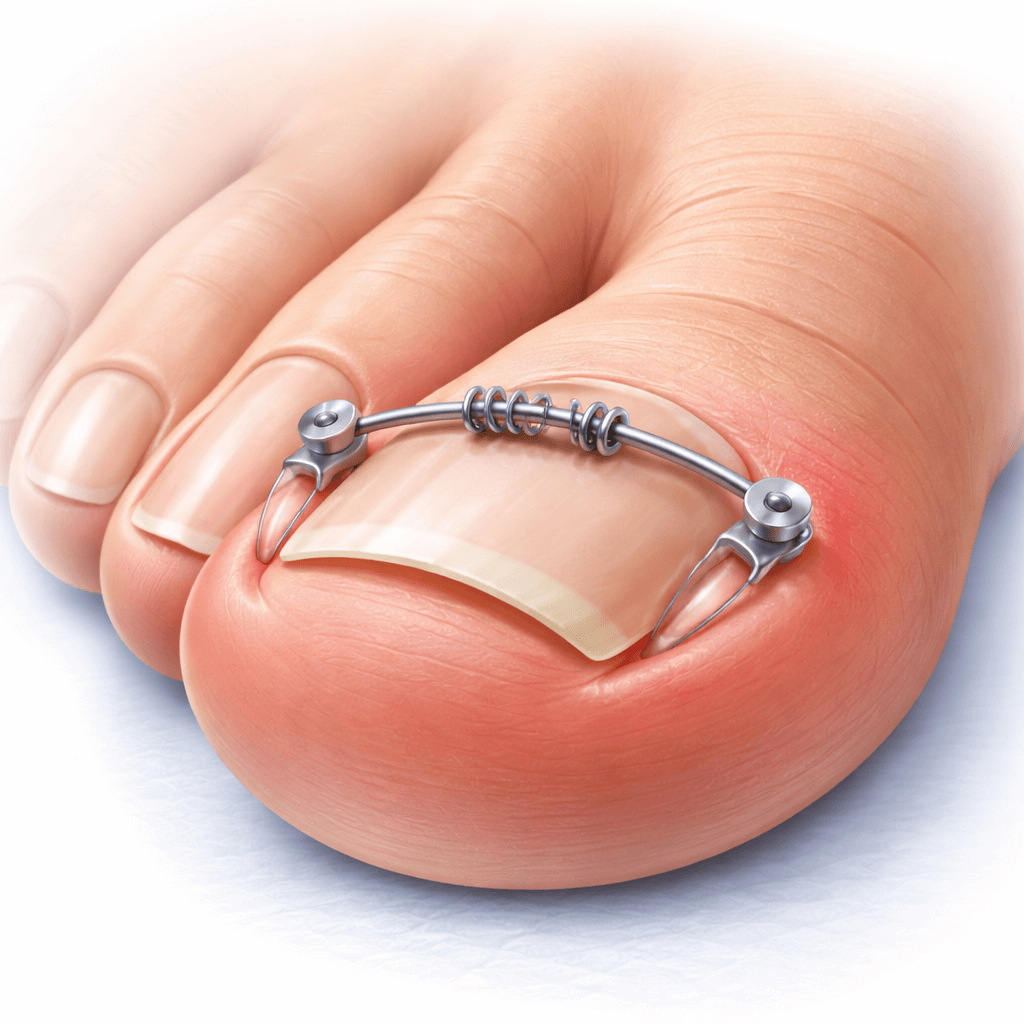
BRACENFIX for Ingrown Nails Certification introduces nurses to the theory and application of nail bracing systems used to support the gradual correction of nail curvature. Nail bracing is generally described as a non-invasive mechanical method intended to guide nail growth direction while reducing pressure along the nail fold.
Educational programs addressing this topic typically explore:
The structure and biomechanics of the toenail
Factors that contribute to ingrown nails
Conservative nail correction methods
Patient comfort considerations
Infection prevention and safety principles
Within foot care nursing, nail bracing education focuses on supporting nail alignment rather than performing surgical correction. These conservative strategies may be relevant when clients experience recurring discomfort from nail curvature.
Nurses interested in expanding their clinical knowledge may explore educational resources such as the AFCN Learning Institute education hub, which discusses foundational principles of foot care nursing education in Canada.
Key Concepts in Nail Bracing Education
Courses such as BRACENFIX for Ingrown Nails Certification often begin with a review of nail anatomy and the contributing factors that influence ingrown nail development.
Common Contributing Factors
Ingrown toenails may develop due to multiple influences, including:
Improper nail trimming techniques
Tight or restrictive footwear
Trauma to the nail plate
Genetic nail curvature patterns
Structural changes associated with aging
Chronic pressure from footwear or gait mechanics
Understanding these factors allows nurses to consider preventive education and conservative care strategies when working with clients experiencing recurring nail discomfort.
Conservative Nail Alignment Approaches
Educational discussions of nail bracing typically include:
Assessment of nail shape and surrounding tissue
Identification of appropriate conservative strategies
Patient education on footwear and nail care
Monitoring of nail growth patterns
Infection prevention measures
Training programs that include BRACENFIX for Ingrown Nails Certification may provide theoretical instruction on how bracing systems are applied to encourage gradual nail straightening over time.
For nurses building foundational knowledge in this area, reviewing foundational foot care nursing education resources can provide important clinical context before exploring specialized tools.
Professional Considerations for Canadian Nurses
When nurses pursue continuing education, such as BRACENFIX for Ingrown Nails Certification, several professional considerations must be understood.
Scope of Practice
In Canada,the nursing scope of practice is regulated at the provincial level. This means:
Regulatory standards differ between provinces
Employer policies may further define permitted procedures
Additional competency validation may be required in some settings
Completing BRACENFIX for Ingrown Nails Certification provides education and a certificate of completion, but it does not authorize independent practice of a specific procedure.
Nurses are responsible for confirming:
Provincial regulatory guidance
Employer policies and clinical protocols
Required competency documentation
Educational materials discussing scope of practice considerations for foot care nursing can help nurses understand how advanced clinical skills align with professional regulation.
Infection Prevention and Patient Safety
Any intervention involving the nail plate or surrounding tissue requires strict attention to infection prevention.
Education related to nail bracing systems typically includes:
Cleaning and preparation of the nail plate
Safe application techniques
Monitoring for irritation or complications
Medical device reprocessing considerations
Nurses exploring this area may also benefit from reviewing infection prevention and medical device reprocessing education, which supports safe foot care practice in both community and clinical settings.
Common Misconceptions About Nail Bracing
Education programs such as BRACENFIX for Ingrown Nails Certification often address misunderstandings about nail bracing.
Misconception 1: Nail bracing replaces surgical treatment
Nail bracing is considered a conservative management approach. It may help guide nail growth, but it does not replace surgical procedures when those are clinically indicated.
Misconception 2: Nail bracing is appropriate for every ingrown nail
Client assessment is essential. Factors such as infection, severe inflammation, or underlying health conditions may require medical evaluation before conservative interventions are considered.
Misconception 3: Education automatically permits practice
Completing BRACENFIX for Ingrown Nails Certification demonstrates participation in an educational program. However, authorization to perform procedures always depends on regulatory scope, employer policy, and clinical competency requirements.
Nurses returning to clinical practice may find it helpful to review returning-to-practice professional development resources when exploring new clinical skills.
Professional Nursing Education Insight
Programs such as BRACENFIX for Ingrown Nails Certification reflect the growing interest among Canadian nurses in expanding their knowledge of conservative foot care techniques.
Foot care nursing education often includes several complementary learning areas:
Nail anatomy and pathology
Foot assessment skills
Conservative nail management
Patient education strategies
Infection prevention and instrument reprocessing
Professional documentation
Understanding these foundational topics allows nurses to integrate specialized knowledge into broader foot care practice.
Educational pathways may also include clinical skills and tools education for foot care nurses, helping nurses evaluate how different devices or techniques fit within safe and regulated practice environments.
For many nurses, continuing education supports professional confidence, patient safety, and improved clinical decision-making.
Key Takeaways
Education programs such as BRACENFIX for Ingrown Nails Certification introduce nurses to conservative approaches to nail alignment within the broader field of foot care nursing.
Key points include:
Nail bracing is a non-invasive method intended to support gradual nail alignment.
Education provides theoretical and practical knowledge, not automatic authorization to practise.
The scope of practice varies across Canadian provinces and employers.
Infection prevention and patient assessment remain essential components of safe foot care practice.
Continuing education can support nurses in developing evidence-informed approaches to foot care.
Ethical Closing Statement
BRACENFIX for Ingrown Nails Certification is an educational opportunity that introduces nurses to non-invasive nail bracing concepts within foot care nursing education. As with any continuing education activity, nurses must ensure that any clinical skill aligns with their provincial regulatory standards, employer policies, and professional competencies. Ongoing learning supports safe, ethical, and patient-centred nursing practice.
https://www.afcnlearninginstitute.com/courses/Bracenfix
FAQs
What is nail bracing for ingrown toenails?
Nail bracing is a conservative method that uses small devices applied to the nail plate to support gradual changes in nail curvature.
Does completing a nail bracing course allow a nurse to perform the procedure?
No. Education provides knowledge and a certificate of completion, but practice authorization depends on provincial nursing regulations and employer policies.
Is nail bracing considered surgery?
No. Nail bracing is generally described as a non-invasive method intended to guide nail growth without surgical removal of the nail.
Why do nurses study conservative ingrown nail management?
Foot care nursing education may include conservative techniques to help nurses understand a range of approaches for supporting patient comfort and nail health.