
Table of Contents
Starting a Foot Care Nursing Business in Canada
For many licensed nurses, exploring Starting a Foot Care Nursing Business in Canada is part of a broader interest in professional development, community health support, and independent nursing services. Foot care nursing can play an important role in preventative care, especially for older adults and individuals living with chronic conditions that affect the feet.
However, establishing an independent nursing service requires careful consideration of education, regulatory expectations, infection prevention practices, and provincial scope-of-practice requirements. Nurses considering this pathway should understand that continuing education supports competency development, but authorization to practise independently is determined by provincial regulators, employer policies, and applicable legislation.
This article outlines foundational concepts nurses should understand when considering Starting a Foot Care Nursing Business in Canada, including definitions, scope considerations, professional responsibilities, and common misconceptions.
Key Concepts in Starting a Foot Care Nursing Business in Canada
Starting a Foot Care Nursing Business in Canada involves establishing a professional nursing service that provides preventative and maintenance foot care within the nurse’s authorized scope of practice.
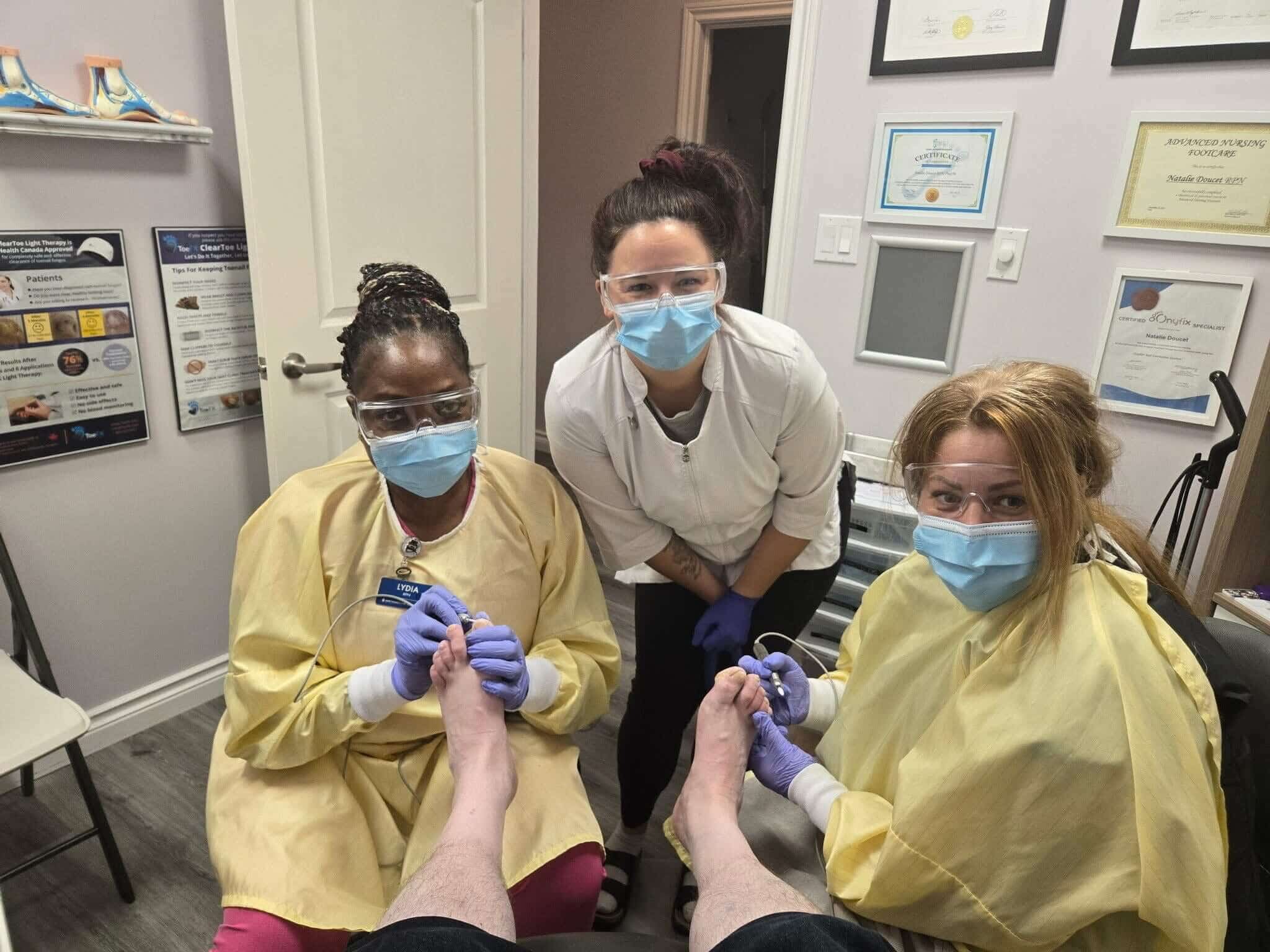
Foot care nursing services may include:
Basic foot assessments
Skin and nail care
Reduction of thickened nails
Callus management within scope
Patient education regarding foot health
Referral to other healthcare providers when required
These services are typically provided to individuals who may have difficulty performing their own foot care safely. Examples include:
Older adults with limited mobility
Individuals with diabetes or circulatory concerns
Clients living in long-term care or community settings
While the services may appear straightforward, safe foot care nursing practice requires education in several professional areas, including infection prevention, instrument reprocessing, and risk assessment.
Nurses interested in this area often begin by reviewing educational resources in the AFCN Learning Institute education hub and exploring foundational foot care nursing education designed for Canadian nursing practice.
Professional and Regulatory Considerations
A critical step in Starting a Foot Care Nursing Business in Canada is understanding regulatory expectations.
In Canada, nursing practice is governed by provincial and territorial regulatory bodies. Each province defines the scope of practice through legislation, professional standards, and employer policies.
Key points nurses must consider include:
Scope of Practice
Nurses must ensure that any services offered remain within their authorized nursing scope.
Scope may vary based on:
Nursing designation (RN, RPN, or LPN)
Provincial regulations
Employer or independent practice policies
Individual competence and education
Education alone does not authorize independent practice. Nurses should review provincial guidance and consider learning resources related to nursing scope of practice education.
Infection Prevention and Instrument Reprocessing
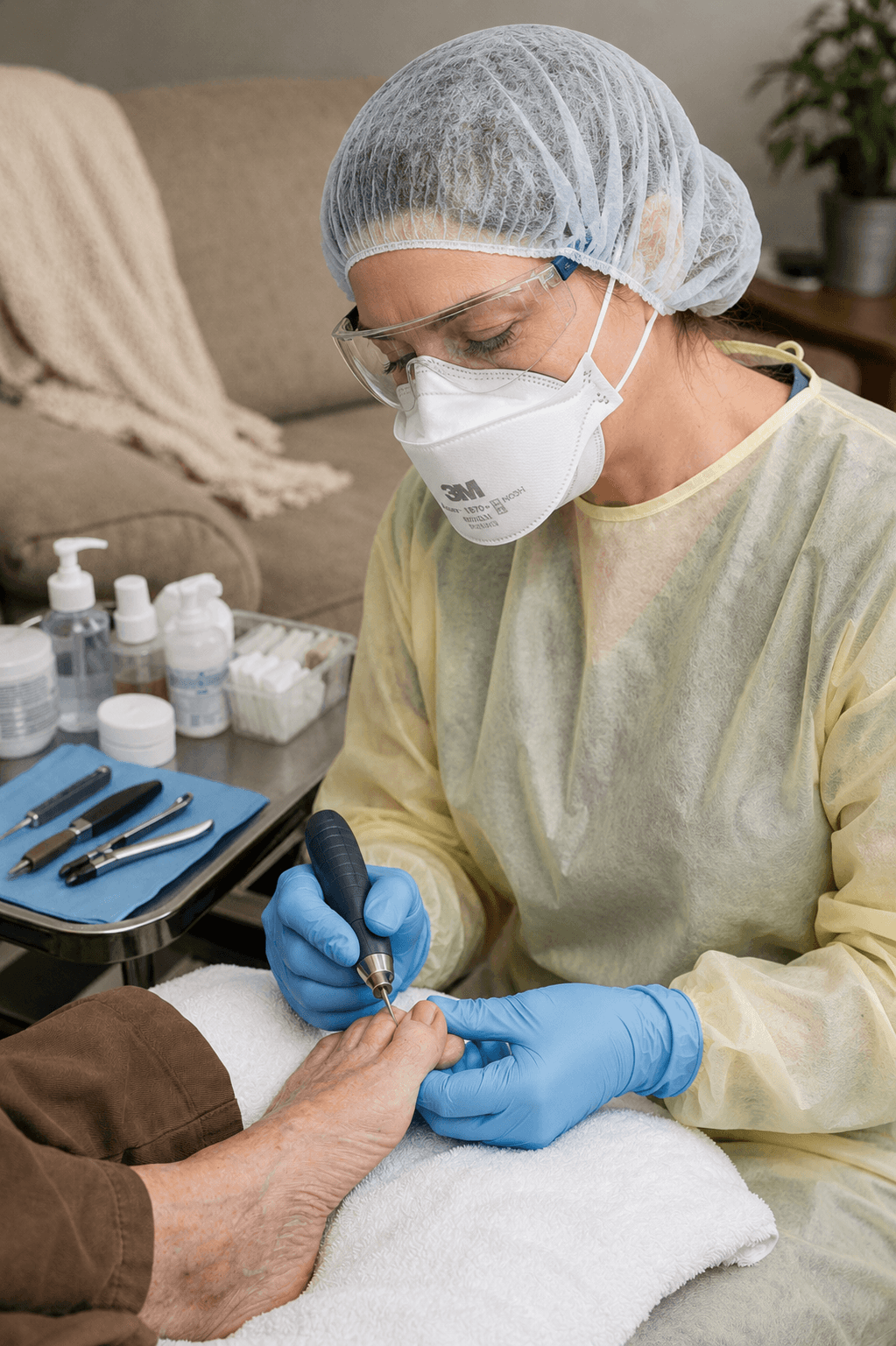
Foot care nursing often involves the use of instruments such as nippers or rotary tools. Safe practice requires adherence to recognized infection prevention standards.
This includes:
Cleaning and sterilization protocols
Proper instrument storage
Documentation of reprocessing procedures
Appropriate personal protective equipment
Nurses frequently pursue additional training in infection prevention and medical device reprocessing to support safe clinical practice.
Documentation and Professional Accountability
All nursing services require clear clinical documentation.
Documentation should include:
Client assessment findings
Care provided
Client education
Referrals if required
Follow-up recommendations
Maintaining appropriate documentation supports continuity of care and professional accountability.
Education and Competency Development
Education plays an important role in Starting a Foot Care Nursing Business in Canada. While nursing education provides a clinical foundation, specialized training may help nurses develop competency in preventative foot care techniques and risk assessment.
Continuing education programs often address:
Foot and nail anatomy
Risk screening and referral indicators
Safe nail reduction techniques
Instrument handling and maintenance
Infection prevention standards
Nurses considering independent practice may also explore professional development resources addressing business fundamentals, record keeping, and practice policies.
Educational materials such as clinical skills and tools education for foot care nurses can help nurses understand the technical aspects of preventative foot care.
For nurses returning to practice or exploring a new clinical area, additional support may be found through professional development and returning-to-practice resources.
Safety and Ethical Responsibilities
Safety is a central consideration when Starting a Foot Care Nursing Business in Canada. Many individuals receiving foot care services may have complex health needs that require careful assessment.
Examples of clinical considerations include:
Peripheral neuropathy
Circulatory impairment
Skin integrity issues
Risk of infection
Nurses must recognize when a condition requires referral to another healthcare professional such as a physician, podiatrist, or wound care specialist.
Ethical practice includes:
Practising within competence
Maintaining infection prevention standards
Ensuring informed consent
Protecting client confidentiality
Maintaining professional boundaries
Independent practice also requires nurses to ensure they maintain professional liability coverage consistent with provincial regulatory expectations.
Common Misconceptions
There are several misconceptions surrounding Starting a Foot Care Nursing Business in Canada.
Misconception 1: Education Automatically Authorizes Practice
Completing a foot care course provides knowledge and a certificate of completion, but it does not grant legal authorization to practise independently. Authorization depends on provincial regulations and employer policies.
Misconception 2: Foot Care Nursing Is Low Risk
Although preventative foot care can appear routine, improper technique or inadequate assessment may result in complications. Education and competency development are essential for safe practice.
Misconception 3: Business Skills Are Not Necessary
Independent nursing services require organizational skills such as scheduling, documentation management, and infection control protocols. Nurses must balance clinical care with professional practice responsibilities.
Understanding these realities helps nurses approach Starting a Foot Care Nursing Business in Canada with appropriate preparation and professional awareness.
Professional Nursing Education Insight
For many nurses, Starting a Foot Care Nursing Business in Canada represents an opportunity to apply nursing knowledge in community settings while supporting preventative health.
However, education should be viewed as a foundation rather than a final step. Ongoing learning, reflective practice, and regulatory awareness remain essential components of safe nursing practice.
Professional education providers often focus on:
Evidence-informed preventative foot care
Infection prevention standards
Clinical risk assessment
Ethical nursing practice
These areas support nurses in maintaining safe, patient-centered care within Canadian regulatory frameworks.
Key Takeaways
When considering Starting a Foot Care Nursing Business in Canada, nurses should remember:
Scope of practice varies by province, employer, and nursing designation
Continuing education supports competency but does not authorize independent practice
Infection prevention and instrument reprocessing standards are essential
Documentation and accountability remain core nursing responsibilities
Ongoing professional education supports safe and ethical care
Closing Perspective
Nurses exploring Starting a Foot Care Nursing Business in Canada are encouraged to approach the process with careful attention to education, professional standards, and regulatory guidance. Preventative foot care services can contribute to community health when delivered within an appropriate nursing scope of practice.
Continuing education, regulatory awareness, and adherence to infection prevention practices remain central to safe and responsible nursing care across all practice settings.
https://www.afcnlearninginstitute.com/products/digital_downloads/foot-care-nurse-one-day-challenge
FAQs
Do nurses need additional education before providing foot care services in Canada?
Many nurses pursue continuing education in preventative foot care to develop competency in assessment, infection prevention, and instrument handling.
Does a foot care nursing course allow nurses to practise independently?
No. Education provides knowledge and a certificate of completion. Authorization to practise independently depends on provincial regulations and employer policies.
What types of clients commonly receive foot care nursing services?
Clients may include older adults, individuals with mobility limitations, and people living with chronic health conditions affecting foot health.
Why is infection prevention important in foot care nursing?
Foot care services may involve instruments and close skin contact, making proper cleaning, sterilization, and protective practices essential for patient safety.