
Table of Contents
- Introduction
- Understanding Professional Communication Skills for Foot Care
- Key Elements of Effective Communication in Foot Care Nursing
- Professional Considerations in Canadian Nursing Practice
- Common Misconceptions About Communication in Foot Care Nursing
- Professional Education and Communication Skill Development
- Key Takeaways
- Ethical Closing Statement
- FAQs
Introduction
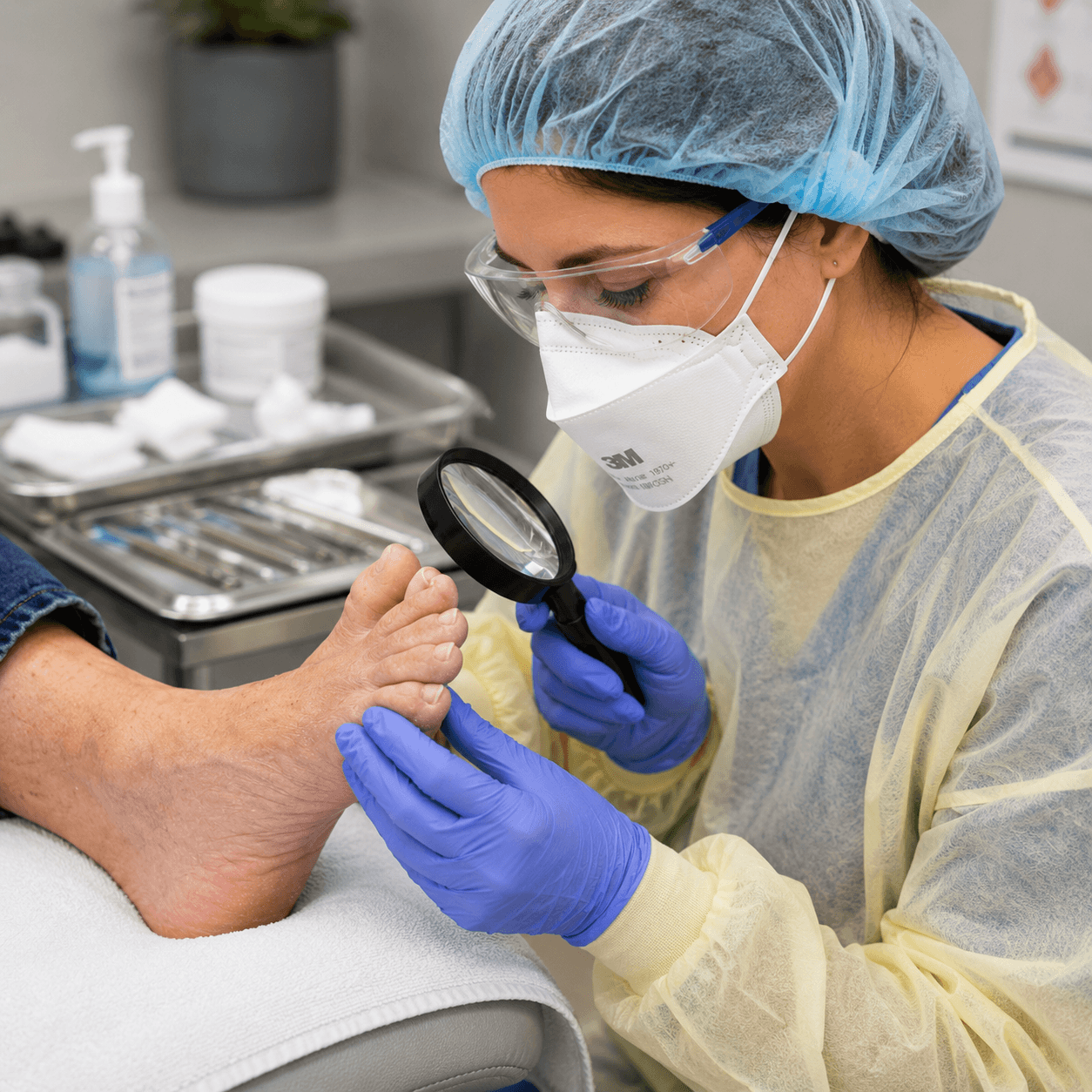
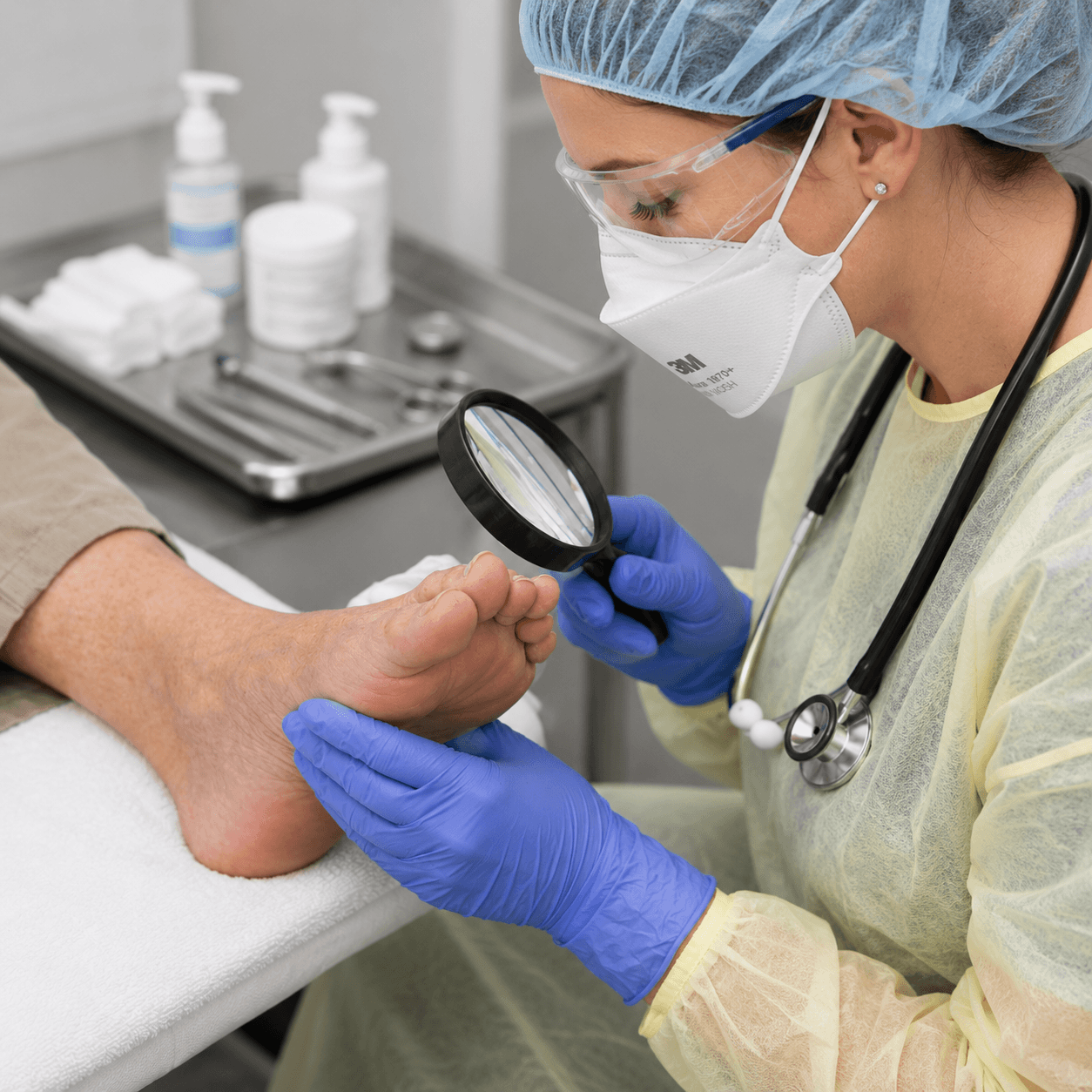
Professional Communication Skills for Foot Care are an essential component of safe, respectful, and effective nursing practice. Nurses providing foot care frequently interact with patients who may have chronic illness, mobility challenges, or complex health needs. Clear communication supports accurate assessment, informed consent, and therapeutic relationships.
In Canadian healthcare settings, communication is also closely linked to patient safety and ethical care. Nurses are expected to communicate in a manner that respects dignity, cultural diversity, and patient autonomy. For nurses developing expertise in foot care services, strengthening communication competencies supports both clinical effectiveness and professional accountability.
Professional Communication Skills for Foot Care help nurses gather accurate patient information, explain care procedures clearly, and respond appropriately to patient concerns. These skills are relevant across many care environments including community clinics, long-term care facilities, home care settings, and specialized nursing practices.
Understanding Professional Communication Skills for Foot Care
Professional Communication Skills for Foot Care refer to structured and respectful communication practices used by nurses when providing foot care services. These skills include verbal communication, active listening, documentation, and patient education.
In foot care nursing, communication occurs throughout multiple stages of care:
Patient intake and health history
Clinical assessment discussions
Explanation of procedures
Education on preventative care
Documentation and interprofessional communication
Nurses must communicate clearly with patients, family members, and other healthcare professionals. This ensures that information related to foot health risks, circulation concerns, nail conditions, and skin integrity is understood and documented appropriately.
Clear communication also helps reduce misunderstandings regarding expectations, procedures, and follow-up care.
For additional foundational concepts, nurses may review educational resources such as the AFCN Learning Institute education hub, which supports ongoing nursing professional development.
Key Elements of Effective Communication in Foot Care Nursing
Professional Communication Skills for Foot Care rely on several core competencies that are recognized across Canadian nursing practice standards.
1. Active Listening
Active listening allows nurses to fully understand a patient’s concerns, symptoms, and expectations.
Key techniques include:
Maintaining eye contact when culturally appropriate
Avoiding interruptions
Asking open-ended questions
Clarifying patient statements when necessary
This approach encourages patients to share relevant health information that may affect foot care treatment.
2. Clear Patient Education
Nurses often provide guidance on preventative foot health strategies such as:
Daily skin inspection
Nail care awareness
Foot hygiene practices
When to seek medical evaluation
Clear explanations help patients understand their role in maintaining foot health.
Educational guidance should remain within nursing scope and avoid medical diagnosis or treatment recommendations outside authorized practice.
Nurses seeking structured learning resources can explore foundational foot care nursing education programs that cover communication and patient education skills.
3. Respectful and Culturally Safe Communication
Canada’s healthcare system emphasizes culturally safe care. Nurses must communicate in ways that respect diverse cultural backgrounds, languages, and beliefs.
Examples include:
Using plain language when discussing procedures
Confirming patient understanding
Being aware of cultural preferences related to personal care
Respectful communication helps build trust and improves patient engagement during foot care services.
4. Accurate Clinical Documentation
Communication in nursing also includes written documentation. Clear and accurate records support continuity of care and professional accountability.
Documentation may include:
Patient history information
Assessment observations
Care provided
Patient responses and education given
Nurses can strengthen documentation practices through training related to infection prevention and medical device reprocessing education, where documentation standards are often emphasized.
Professional Considerations in Canadian Nursing Practice
Professional Communication Skills for Foot Care must align with Canadian nursing regulatory expectations. Communication is considered a fundamental nursing competency within professional standards.
However, nurses should be aware that scope of practice varies by province, regulatory body, and employer policies. Communication responsibilities may differ depending on workplace protocols and clinical settings.
It is also important to recognize that education alone does not grant authorization to practise specialized nursing services. Completing a foot care nursing education program provides knowledge and skill development, but practice authorization is determined by regulatory and employer requirements.
Nurses seeking to understand professional responsibilities may review educational resources focused on scope of practice education for nurses.
Professional communication also supports patient safety practices such as:
Confirming patient identity
Explaining procedures before beginning care
Encouraging patients to ask questions
Documenting consent and patient responses
These practices help maintain ethical and safe care environments.
Common Misconceptions About Communication in Foot Care Nursing
Some nurses assume that communication in foot care is limited to basic explanations of nail care procedures. In practice, communication responsibilities are broader and include patient education, risk awareness, and collaboration with other healthcare professionals.
Another misconception is that communication skills develop naturally without training. While experience can improve communication, structured education often helps nurses refine techniques such as therapeutic listening, documentation clarity, and patient teaching methods.
A third misconception is that written documentation is separate from communication. In nursing practice, documentation is a critical form of professional communication that ensures care continuity.
Nurses who are returning to clinical practice may benefit from reviewing professional development resources for returning-to-practice nurses, which often include communication refreshers.
Professional Education and Communication Skill Development
Professional Communication Skills for Foot Care can be strengthened through continuing education, reflective practice, and mentorship.
Education programs may cover topics such as:
Therapeutic communication techniques
Patient education strategies
Interprofessional collaboration
Ethical communication practices
Structured learning environments allow nurses to practice communication scenarios relevant to foot care settings.
Continuing education resources such as clinical skills and tools education for nurses may help nurses develop confidence in patient interactions during foot care services.
Education programs typically provide a certificate of completion, indicating that learning objectives were completed. This certificate documents educational participation but does not independently authorize a nurse to provide specific clinical services.
Understanding these distinctions helps nurses maintain professional accountability while developing specialized knowledge.
Key Takeaways
Professional Communication Skills for Foot Care support safe and respectful nursing interactions with patients.
Effective communication includes active listening, patient education, clear explanations, and accurate documentation.
Communication practices must align with Canadian nursing regulatory expectations and ethical care standards.
Scope of practice varies by province and employer, and education alone does not grant authorization to practise.
Continuing education can help nurses strengthen communication techniques relevant to foot care settings.
Ethical Closing Statement
Professional Communication Skills for Foot Care contribute to respectful patient relationships and safe nursing practice. Nurses who strengthen communication competencies support clearer understanding, improved patient engagement, and more effective collaboration within healthcare teams.
https://www.afcnlearninginstitute.com/
FAQs
What are professional communication skills in foot care nursing?
Professional communication skills include active listening, clear explanations, patient education, and accurate documentation when providing foot care services.
Why are communication skills important in foot care nursing?
Communication helps nurses gather accurate health information, explain procedures clearly, and ensure patients understand preventative foot care practices.
Does completing a foot care course allow a nurse to practise foot care independently in Canada?
No. Completing education provides a certificate of completion, but authorization to practise depends on provincial regulation, employer policies, and scope of practice.
How can nurses improve communication skills in clinical practice?
Nurses may strengthen communication through continuing education, reflective practice, mentorship, and professional development programs.