
Table of Contents
Introduction
Advanced Diabetic Foot Care Nursing Training is an area of continuing education that supports licensed nurses in developing knowledge related to lower limb assessment, diabetic foot risk identification, infection prevention, and evidence-informed foot care practices. As Canada’s population ages and the prevalence of chronic disease increases, many healthcare settings are seeing a growing need for nurses with specialized foot care knowledge.
Foot care nursing involves more than routine nail care. Nurses working in this area must understand circulation, skin integrity, pressure injury prevention, wound risk factors, and safe instrument handling. Clinical judgment, communication, and professional accountability are central to practice.
For nurses considering additional education, it is important to understand that completing a course provides a certificate of completion and educational preparation. Authorization to practise specific skills depends on provincial nursing regulations, employer policies, and individual competence.
Understanding Advanced Diabetic Foot Care Nursing Training
Advanced Diabetic Foot Care Nursing Training typically combines theoretical education with supervised clinical learning. Educational programs may include instruction related to:
- Lower limb and diabetic foot assessment
- Identification of high-risk feet
- Infection prevention and control (IPAC)
- Instrument handling and reprocessing
- Documentation standards
- Client communication and education
- Referral considerations and interdisciplinary collaboration
Many nurses pursue continuing education in this area to expand their clinical knowledge while exploring different practice environments, including community care, long-term care, private clinics, and home care services.
Key Areas of Clinical Knowledge
Nurses studying foot care often develop understanding in areas such as:
| Clinical Area | Educational Focus |
|---|---|
| Diabetic Foot Assessment | Risk identification and monitoring |
| Nail and Skin Care | Safe management techniques |
| IPAC Standards | Infection prevention principles |
| Instrument Reprocessing | Cleaning, sterilization, and storage |
| Documentation | Clinical records and communication |
Additional educational resources may include:
- Foot care nursing education resources
- IPAC and medical device reprocessing education
- Clinical skills development for nurses
Professional Considerations for Canadian Nurses
Nurses entering this specialty must consider several professional and regulatory factors before integrating new skills into practice.
Scope of Practice
In Canada, nursing scope of practice varies by:
- Province or territory
- Regulatory college expectations
- Employer policies
- Clinical setting
- Individual competence and education
Advanced Diabetic Foot Care Nursing Training does not independently authorize a nurse to perform procedures. Nurses remain professionally responsible for ensuring that all care provided falls within their authorized scope of practice.
Clinical Safety and Risk Awareness
Foot care nursing requires careful assessment and attention to safety. Many clients receiving foot care services have conditions that increase risk, including:
- Diabetes
- Peripheral vascular disease
- Reduced sensation
- Mobility limitations
- Skin integrity concerns
Nurses must recognize signs requiring referral to other healthcare professionals, including infection, ischemia, ulceration, or significant structural abnormalities.
Ethical Nursing Practice
Ethical practice remains central in all clinical environments. Nurses providing foot care should maintain:
- Informed consent processes
- Respect for client dignity and privacy
- Professional boundaries
- Accurate documentation
- Evidence-informed care practices
Educational preparation supports skill development, but ongoing learning and self-assessment remain important throughout practice.
Clinical Learning and Hands-On Skill Development
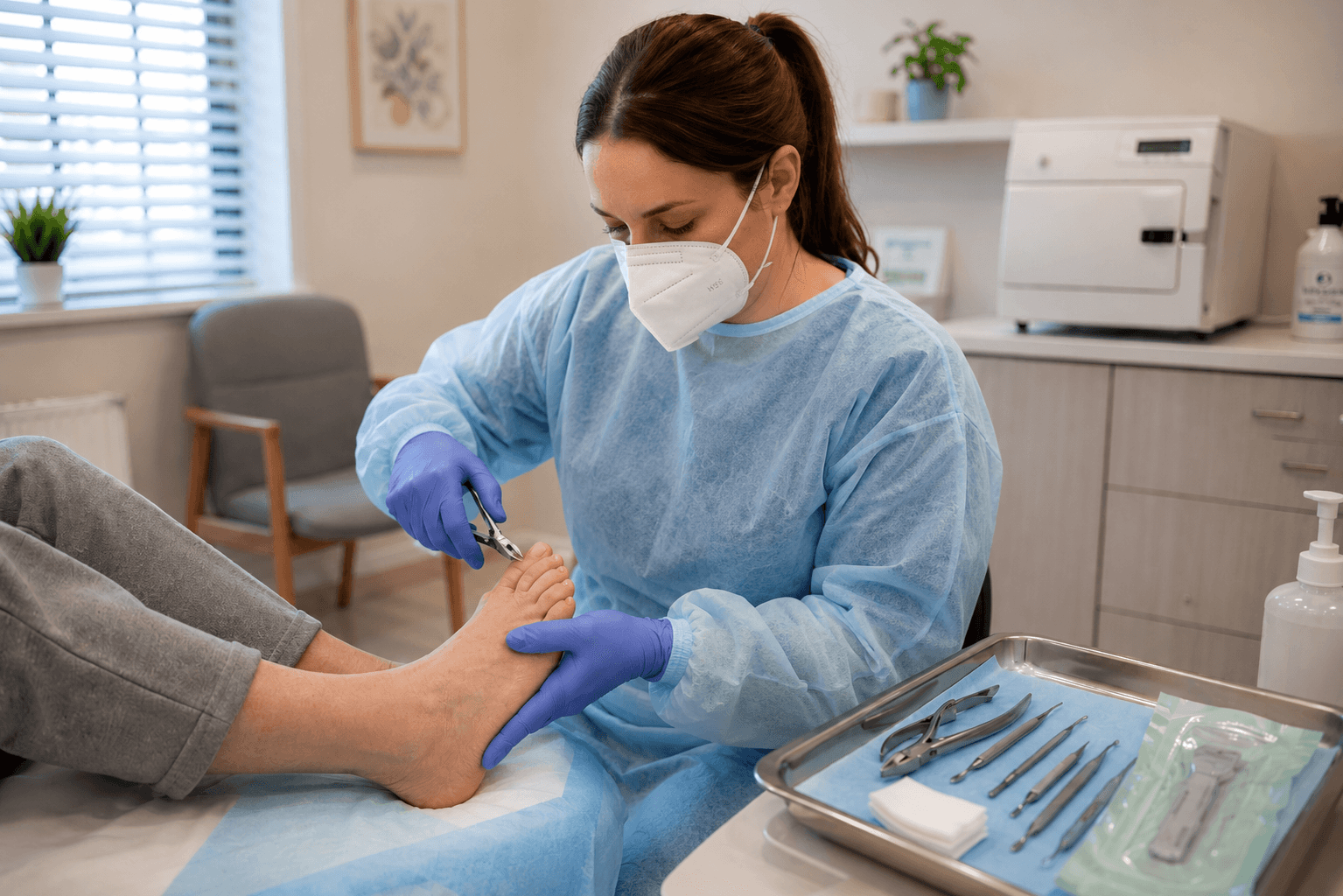
Advanced Diabetic Foot Care Nursing Training often includes supervised practical learning experiences designed to support safe skill development. Hands-on education allows nurses to build confidence while refining clinical technique under the guidance of experienced educators.
Common Components of Clinical Learning
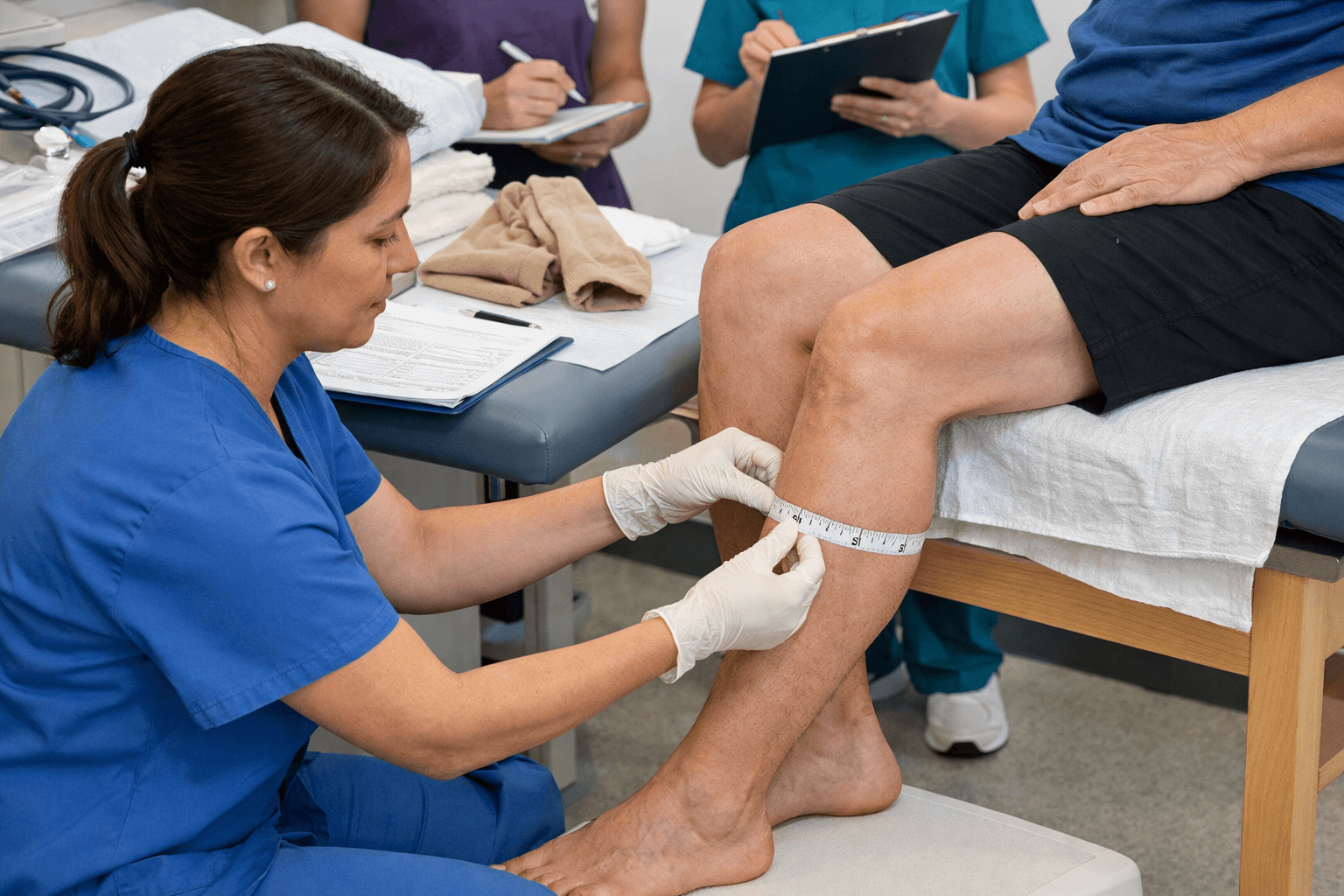
- Lower limb assessments
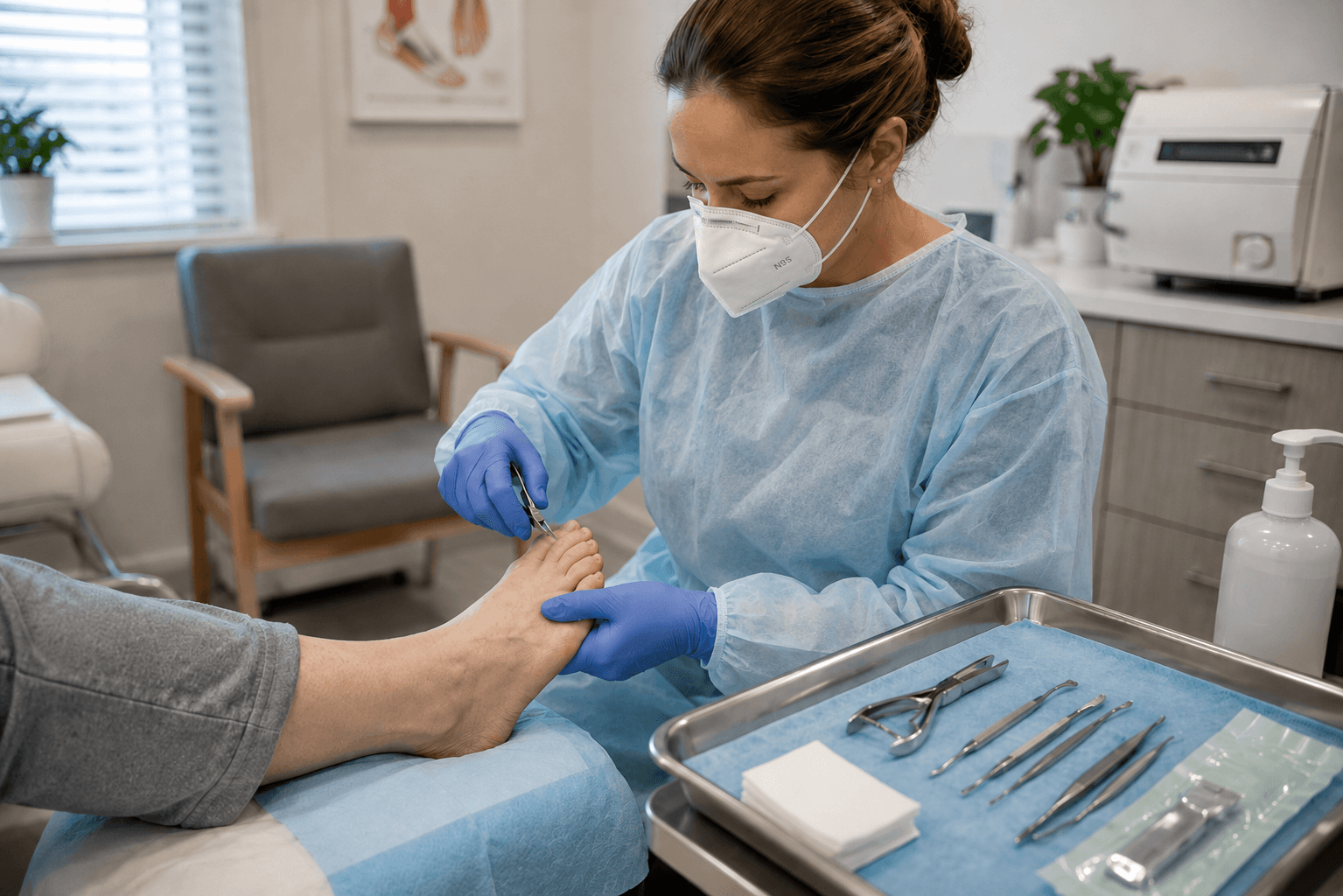
- Instrument handling practice
- Clinical positioning and ergonomics
- Documentation exercises
- Infection prevention procedures
- Reprocessing workflow education
Practical learning environments help nurses understand how theoretical knowledge applies in real clinical situations.
Applying Skills Across Care Settings
Foot care nursing skills may be used in a range of healthcare environments, including:
- Long-term care homes
- Community nursing programs
- Private foot care clinics
- Retirement residences
- Home care settings
Each setting presents different workflow, infection control, and communication considerations. Nurses must adapt while maintaining professional and regulatory standards.
Additional continuing education resources may include:
- Professional development education for nurses
- Returning-to-practice nursing resources
- Scope and accountability guidance
Common Misconceptions About Foot Care Nursing
There are several misconceptions related to foot care nursing education and practice.
Misconception 1: Foot Care Nursing Is Limited to Nail Care
Foot care nursing includes assessment, prevention, risk identification, client education, and clinical decision-making. The role extends beyond cosmetic or routine procedures.
Misconception 2: Completing Education Automatically Changes Scope
Completing Advanced Diabetic Foot Care Nursing Training does not automatically change a nurse’s authorized scope of practice. Nurses must continue following provincial regulatory expectations and employer requirements.
Misconception 3: Infection Prevention Is Minimal in Foot Care
Foot care procedures require strong adherence to IPAC principles, including instrument reprocessing, hand hygiene, environmental cleaning, and appropriate PPE use.
Misconception 4: Clinical Supervision Is Optional
Hands-on supervision supports safe learning, proper technique development, and professional accountability. Practical mentorship remains an important part of skill acquisition.
Educational Insight for Nurses Exploring Foot Care Practice
Many nurses exploring Advanced Diabetic Foot Care Nursing Training are experienced clinicians seeking opportunities for continued professional growth. Some may be transitioning from shift-based environments, while others are interested in developing focused clinical skills in community-based settings.
Foot care nursing often involves long-term therapeutic relationships with clients, ongoing assessment, and continuity of care. Nurses may appreciate the opportunity to combine technical skill with patient education and preventative care strategies.
Educational preparation in this area supports nurses in understanding:
- Clinical assessment principles
- Risk reduction strategies
- Safe procedural techniques
- Documentation standards
- Professional accountability expectations
As healthcare needs evolve across Canada, continuing education remains an important part of maintaining competence and supporting high-quality nursing care.
Key Takeaways
- Advanced Diabetic Foot Care Nursing Training supports continuing nursing education in specialized foot care practice
- Scope of practice varies by province, employer, and regulatory expectations
- Education provides a certificate of completion, not automatic authorization to practise
- Infection prevention, clinical safety, and ethical care are foundational requirements
- Supervised hands-on learning supports safe skill development and clinical confidence
Conclusion
Advanced Diabetic Foot Care Nursing Training provides Canadian nurses with opportunities to expand their clinical knowledge in lower limb and diabetic foot care. Nurses considering this area of continuing education should evaluate educational quality, supervised learning opportunities, infection prevention standards, and alignment with provincial nursing expectations.
Ongoing professional development, clinical judgment, and evidence-informed practice remain essential in supporting safe and effective patient care across all healthcare settings.
https://www.afcnlearninginstitute.com/collections/foot-care-nurse-course
FAQs
What is Advanced Diabetic Foot Care Nursing Training?
It is continuing nursing education focused on lower limb assessment, diabetic foot risk identification, infection prevention, and safe foot care practices.
Does completing foot care nursing education authorize independent practice?
No. Authorization to perform specific procedures depends on provincial regulations, employer policies, and individual competence.
Is supervised clinical learning important in foot care nursing?
Yes. Supervised learning helps nurses safely develop technical skills, clinical judgment, and infection prevention practices.
Can foot care nursing skills be used in different healthcare settings?
Yes. Nurses may apply these skills in long-term care, community care, private clinics, retirement residences, and home care environments.