
Table of Contents
Skin Integrity in Foot Care for Nurses
Maintaining Skin Integrity in Foot Care for Nurses is an important aspect of preventive nursing practice. The skin of the feet is regularly exposed to pressure, friction, moisture changes, and environmental conditions that may affect its protective function. Routine observation allows nurses to identify early changes and support appropriate preventive strategies.
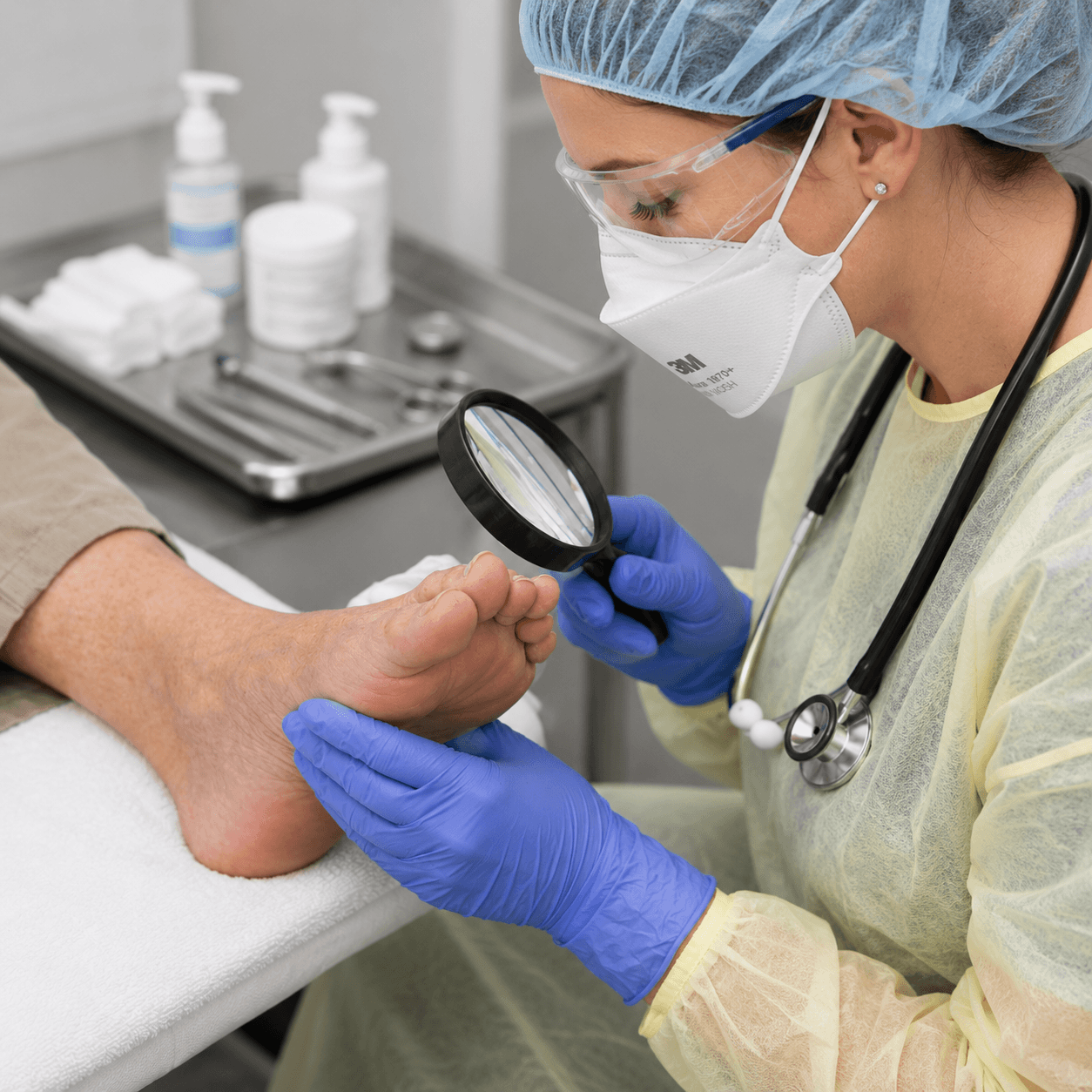
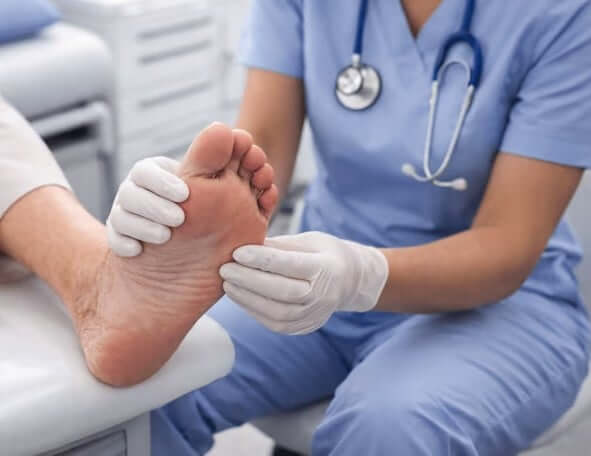
Foot assessments commonly occur in long-term care, community health, and clinical environments throughout Canada. During these assessments, nurses may observe hydration, colour, temperature, and overall tissue condition. These observations help identify potential risks for skin breakdown before more complex concerns develop.
Education focused on Skin Integrity in Foot Care for Nurses supports nurses in strengthening assessment skills while reinforcing the importance of preventive monitoring in daily practice.
It is important to recognize that nursing scope of practice varies across Canadian provinces and territories and may also depend on employer policies. Educational programs provide knowledge and a certificate of completion, but they do not independently authorize nurses to perform procedures outside their regulated scope of practice.
Understanding Skin Integrity in Foot Care for Nurses
The concept of Skin Integrity in Foot Care for Nurses refers to maintaining intact, healthy skin that effectively protects the body from environmental stressors such as pressure, friction, and microorganisms.
Healthy skin on the feet typically demonstrates several characteristics:
Even skin colour without unexplained redness
Adequate hydration without excessive dryness
Absence of cracks, fissures, or open lesions
Balanced moisture levels between the toes
Limited callus formation
Because the feet experience repeated pressure during daily movement, they may be particularly vulnerable to skin changes. Consistent observation helps nurses recognize early signs that may require monitoring or further evaluation.
Additional educational resources that explore these assessment principles are available through the AFCN Learning Institute education hub and clinical skills education for foot care nurses.
Assessment and Preventive Observation
Regular assessment is a key component of Skin Integrity in Foot Care for Nurses. Structured observation allows nurses to identify subtle changes in tissue condition that may indicate developing concerns.
A basic visual assessment may include:
Inspecting the dorsal and plantar surfaces of the foot
Observing skin colour and temperature
Evaluating dryness, scaling, or maceration
Identifying areas exposed to pressure or friction
Noting calluses, fissures, or other skin changes
Clear documentation of findings supports communication among healthcare professionals and contributes to continuity of care.
Nurses working in community care or long-term care environments may encounter individuals with increased vulnerability to skin changes due to mobility limitations, circulatory concerns, or reduced sensation.
Regular monitoring can also support early communication within the healthcare team. When nurses observe subtle changes in skin condition, timely documentation and discussion with appropriate providers may help ensure that preventive strategies are implemented promptly. Consistent observation practices contribute to safer care planning and reinforce the importance of maintaining healthy skin conditions in individuals who may be at higher risk of foot complications.
Professional Considerations in Nursing Practice
Supporting healthy skin conditions in the feet requires attention to professional standards and ethical practice. In Canadian healthcare settings, Skin Integrity in Foot Care for Nurses must be considered within regulatory and workplace guidelines.
Scope of Practice
Nursing scope of practice in Canada is defined by provincial regulatory colleges and employer policies. Education may enhance knowledge and assessment skills, but it does not automatically authorize specific clinical procedures.
Programs that explore Skin Integrity in Foot Care for Nurses typically provide professional development and issue a certificate of completion, not certification.
Further guidance may be found through nursing scope of practice education resources.
Infection Prevention
Infection prevention is closely linked to skin health. Compromised skin may create potential entry points for microorganisms, making proper hygiene and equipment handling important.
Standard precautions may include:
Performing hand hygiene before and after care
Following appropriate medical device reprocessing protocols
Using clean equipment and supplies
Documenting observations accurately
Education on infection prevention is available through infection prevention and medical device reprocessing training.
Patient Education
Patient education plays an important role in maintaining healthy skin. Nurses often reinforce simple preventive strategies that individuals can perform between healthcare visits.
Examples may include:
Encouraging regular foot observation
Supporting appropriate hygiene practices
Promoting properly fitting footwear
Encouraging reporting of new skin changes
Educational discussions related to Skin Integrity in Foot Care for Nurses may help individuals recognize potential concerns earlier and seek appropriate care.
Common Misconceptions
Several misunderstandings can influence how people approach foot skin health.
Dry skin is always harmless
While dryness may appear minor, persistent cracking or fissures may compromise the skin barrier.
Foot skin problems only occur in individuals with chronic illness
Although certain health conditions increase risk, pressure, friction, and moisture imbalance may affect anyone.
Foot assessment is only needed when symptoms appear
Preventive observation is a key component of Skin Integrity in Foot Care for Nurses, as early changes may appear before discomfort develops.
Education helps nurses recognize subtle signs and respond appropriately within their scope of practice.
Continuing Education for Nurses
Professional education supports nurses in strengthening knowledge related to Skin Integrity in Foot Care for Nurses and consistent assessment practices.
Topics commonly addressed in continuing education include:
Skin structure and protective function
Risk factors for skin breakdown in the feet
Preventive hygiene and monitoring strategies
Documentation and interdisciplinary communication
Ethical considerations in nursing care
Many nurses pursue additional learning through foundational foot care nursing education and continuing professional development resources for nurses.
These educational opportunities help nurses maintain awareness of best practices while remaining aligned with regulatory expectations.
Key Takeaways
Skin Integrity in Foot Care for Nurses supports early identification of changes affecting the feet.
Preventive observation may help reduce risks associated with skin breakdown.
Nursing scope of practice varies by province and employer policies in Canada.
Continuing education strengthens knowledge but does not independently authorize procedures.
Patient education and infection prevention practices contribute to maintaining healthy skin.
Ethical Closing Statement
Education related to Skin Integrity in Foot Care for Nurses supports professional awareness of preventive assessment and patient safety. Nurses should always follow their provincial regulatory standards and workplace policies when providing foot care. Continuing education contributes to knowledge development but does not replace regulatory authorization or employer guidance.
https://www.afcnlearninginstitute.com/courses/SkinIntegrityinFootCare
FAQs
What does skin integrity mean in foot care?
Skin integrity refers to skin that remains intact, healthy, and free from injury or infection. In foot care, it involves monitoring hydration, colour, and tissue condition.
Why is foot skin assessment important for nurses?
Routine observation helps identify early signs of dryness, pressure, or tissue changes before more serious complications develop.
Can nurses perform foot care in all provinces in Canada?
Scope of practice varies by province, regulatory body, and employer policy. Nurses must follow local regulations and workplace guidelines.
Does completing a foot care course allow nurses to practise foot care independently?
Education programs typically provide a certificate of completion and enhance knowledge, but they do not independently grant authorization to practise.